Did Jesus Really Rise from the Dead?
We’ve asked a lot of questions in this series. Hard ones. We’ve talked about suffering. Hell. Whether Jesus is really the only way to God. Whether the Bible can be trusted. Why God doesn’t simply prove He exists. Science. Free will. Some incredibly difficult passages in the Old Testament. Unanswered prayer.
But eventually… Christianity makes a claim that puts everything else on the line.
A man died. And then… He came back.
Not metaphorically. Not “His teachings lived on.” Not “His followers felt like He was still with them.”
Christianity claims that Jesus of Nazareth was crucified, died, was buried… and physically rose from the dead. That’s an enormous claim.
Dead people don’t normally get back up. Which means skepticism isn’t unreasonable.
If someone tells me: “A dead man came back to life,” my first response probably shouldn’t be: “Sounds legit.” 😂
We should ask questions. What evidence do we actually have? How early are the resurrection stories? Could the disciples have made it up? Could they have been hallucinating? Was the tomb really empty Did Jesus actually die? Could the resurrection story have developed as a legend over time?
And perhaps most importantly: Can we investigate a miracle historically at all?
Those are the questions we’re going to tackle. Because Christianity doesn’t ask us to believe Jesus rose merely because resurrection is a comforting idea.
The New Testament claims something happened in history. And if it didn’t… Christianity has a problem. A really big one.
Paul Basically Says, “If This Didn’t Happen, We’re Done”
The apostle Paul doesn’t treat the resurrection like an optional bonus doctrine.
He writes: “And if Christ has not been raised, then our preaching is in vain and your faith is in vain.” (1 Corinthians 15:14)
Then: “And if Christ has not been raised, your faith is futile and you are still in your sins.” (1 Corinthians 15:17)
Paul is remarkably willing to put Christianity on the line.
If Jesus remained dead… Christian preaching is empty. Christian faith is futile. The apostles’ testimony about God is false. And Christians have placed their hope in someone who couldn’t defeat death.
Basically: Pack it up. We’re done. 😅
But Paul continues: “But in fact Christ has been raised from the dead…” (1 Corinthians 15:20)
Christianity stands or falls with that claim. So instead of beginning by assuming the resurrection happened… Let’s ask what we can actually investigate.

What Can History Actually Tell Us?
Before we start listing evidence, we need to be careful about what historical investigation can and can’t do.
History isn’t a laboratory. We can’t recreate the crucifixion, place Jesus in another tomb, install cameras, and see what happens Sunday morning. Historical reasoning works differently.
Historians examine things like:
Documents.
Eyewitness claims.
How early sources are.
Whether sources are independent.
Cultural and historical context.
What people believed.
What events best explain the available evidence.
And historians can often establish that people claimed something happened without automatically proving that their explanation of what happened was correct. For example, a historian can reasonably investigate whether early Christians genuinely believed they encountered the risen Jesus.
That’s different from saying: “Historical methods scientifically proved a supernatural resurrection.” That distinction matters.
The resurrection is ultimately a claim about an act of God. History can examine the evidence surrounding the claim. Then we have to ask:
What explanation best accounts for that evidence?
First Things First: Did Jesus Actually Exist?
Before asking whether Jesus rose from the dead, we should probably establish that there was a Jesus available to die in the first place. 😂
Occasionally you’ll encounter the claim: “Jesus never existed.” That position exists, but it isn’t the mainstream position among historians who study antiquity.
The historical existence of Jesus is accepted across a wide range of scholars, including scholars who are not Christians. Why? Because Jesus appears within multiple ancient sources and fits naturally into the first-century Jewish and Roman world.
Obviously, our largest sources are Christian. The New Testament contains Paul’s letters, the Gospels, Acts, and other writings.
Someone might immediately say: “But those are Christian sources!” They are. But historians don’t automatically throw away a source because its author believes something.
Ancient sources almost always come from people with perspectives, loyalties, biases, and agendas. The question is whether those sources contain historically useful information. And Christianity isn’t our only ancient reference to Jesus.
The Jewish historian Josephus refers to Jesus in Antiquities of the Jews. One passage about Jesus appears to have been altered by later Christian transmission, so we need to be careful with its exact wording. But many scholars think it contains an authentic core referring to Jesus.
Josephus also refers to: “James, the brother of Jesus who was called Christ.”
The Roman historian Tacitus, writing in the early second century, says that “Christus,” from whom Christians received their name, suffered the death penalty during the reign of Tiberius under Pontius Pilate.
Neither Josephus nor Tacitus is trying to evangelize anybody. They aren’t Christian missionaries. Their references don’t prove the resurrection. But they help establish something much more basic:
Jesus wasn’t invented centuries later. He belonged to real first-century history.

Did Jesus Actually Die by Crucifixion?
This might sound obvious. But one alternative explanation for the resurrection is sometimes called the “swoon theory.”
Maybe Jesus didn’t actually die. Maybe He survived the crucifixion, regained consciousness in the tomb, escaped, and appeared to His disciples.
At first glance, that would remove the need for a resurrection. There’s just one problem.
Crucifixion was designed to kill people.
Roman executioners were not exactly known for accidentally letting condemned prisoners wander away afterward. 😅
The Gospel accounts all report Jesus’ death by crucifixion. Paul’s letters assume it. Tacitus independently connects Jesus’ execution with Pontius Pilate..And the crucifixion of Jesus is widely regarded by historians as one of the strongest historical facts about His life.
Even many scholars who reject the resurrection as a miracle still accept that Jesus was crucified and died. So any explanation for what happened afterward has to begin here:
Jesus was dead.
“But the Gospels Were Written Later”
True. The Gospels weren’t written the morning after Easter..Scholars debate their exact dates, but they’re generally placed within the first century.
Mark is commonly dated around AD 65–75. Matthew and Luke are commonly dated later in the first century. John is often placed toward the end of the first century.
Those dates aren’t universally agreed upon, and Christians shouldn’t pretend they are. But here’s something important:
Our resurrection evidence doesn’t begin with the Gospel manuscripts.
We can go earlier. Much earlier. Straight to Paul.

1 Corinthians Is Really Important
Paul writes 1 Corinthians roughly in the middle of the first century, commonly dated around AD 53–55. That puts the letter only a couple of decades after Jesus’ crucifixion. But then Paul quotes something even earlier.
He writes: “For I delivered to you as of first importance what I also received…” (1 Corinthians 15:3)
Then he summarizes:
Christ died for our sins.
He was buried.
He was raised on the third day.
He appeared to Cephas, meaning Peter.
Then the Twelve.
Then more than five hundred people.
Then James.
Then all the apostles.
And finally Paul himself.
(1 Corinthians 15:3–8)
Many scholars think Paul is passing along an earlier Christian tradition or creed that he himself had received.
How early? The exact dating is debated. Some scholars place the tradition within only a few years of Jesus’ death.
We shouldn’t turn “possibly within a few years” into: “Historians proved this creed was written six months after Easter!” 😂
That’s more certainty than the evidence gives us. But the important point remains. Belief in Jesus’ death, burial, resurrection, and appearances wasn’t something Christians invented centuries later.
It appears extremely early in the Christian movement.
Why Does Early Testimony Matter?
Because legends usually need room to develop.
Imagine someone saying: “Hundreds of years after Jesus died, Christians slowly developed a story that He rose from the dead.” 1 Corinthians creates a problem for that explanation.
Paul is already writing about resurrection appearances in the AD 50s. And he’s reminding the Corinthians of something he had previously taught them. Which means the belief is earlier than the letter itself.
Paul also personally knew some of the people named in the tradition. In Galatians, Paul says that after his conversion he went to Jerusalem and spent fifteen days with Cephas, or Peter.
He also met James, whom Paul calls: “the Lord’s brother.” (Galatians 1:19)
So Paul isn’t writing centuries later about legendary figures he has no connection to. He’s interacting with people who were part of the earliest Christian movement.
That doesn’t automatically prove their claims were true..People can sincerely believe things that aren’t true. But it makes one explanation much harder to maintain:
The resurrection was a story invented generations after Jesus.
The belief is simply too early.

“But Paul Didn’t Say Jesus Physically Rose… Right?”
Sometimes people argue that Paul believed Jesus experienced only a spiritual resurrection. Maybe Jesus’ body remained dead while His followers experienced visions of Him. But that doesn’t fit easily with Paul’s Jewish context or his discussion in 1 Corinthians 15.
Paul talks extensively about the resurrection of the dead. He contrasts our current bodies with the transformed resurrection body.
He writes: “It is sown a natural body; it is raised a spiritual body.” (1 Corinthians 15:44)
That phrase “spiritual body” can sound like Paul means a nonphysical ghost. But Paul’s contrast isn’t simply: physical body vs. nonphysical spirit.
He’s contrasting the present body with a body transformed and empowered by God’s Spirit.
Paul’s entire argument depends upon resurrection involving what happens to the dead. And the Gospel accounts later make the bodily nature of Jesus’ resurrection even more explicit.
Jesus is touched. He eats. He shows His wounds.
The Christian claim isn’t merely: Jesus’ spirit went to heaven.
Ancient Jews already had categories for the continued existence of the dead. Resurrection was something more radical. The dead person lives again.
Wait… Did Jewish People Even Expect Someone to Rise Like This?
This is another interesting part of the story. Some Jewish groups in the first century believed in a future resurrection of the dead..The New Testament itself shows disagreement between Pharisees, who affirmed resurrection, and Sadducees, who denied it.
But the Christian claim was unusual. The disciples weren’t simply announcing: “Resurrection exists!” They were saying:
The resurrection has begun with one man in the middle of history.
Jesus rose before the general resurrection expected at the end. That wasn’t the obvious expectation. And the Gospels certainly don’t portray the disciples as people eagerly waiting outside the tomb Sunday morning saying: “Three… two… one… HERE HE COMES!” 😂
They appear confused. Afraid. Skeptical. Thomas famously refuses to believe the other disciples until he sees Jesus.
Whatever we ultimately think happened, the texts don’t portray the followers of Jesus as people for whom resurrection was the obvious explanation.
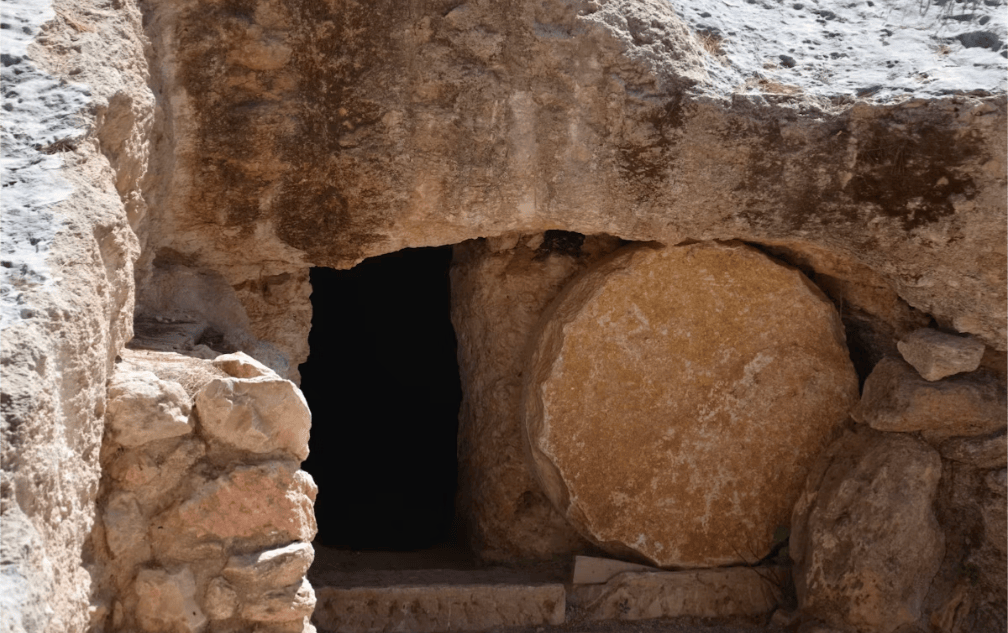
What About the Empty Tomb?
Now we get to one of the most famous pieces of the resurrection case. The Gospels report that Jesus was buried and that women later discovered the tomb empty. How historically secure is that?
This is where we need some nuance. Many scholars accept the empty tomb as historically plausible or probable. Others remain unconvinced.
Unlike Jesus’ crucifixion, the empty tomb isn’t something we should describe as virtually universally accepted among historians. So let’s look at the arguments rather than pretending there isn’t debate.
One argument concerns the women. All four Gospels place women at the discovery of the empty tomb. Mary Magdalene appears in every account. Why does that matter?
In the ancient world, women’s testimony was often given less public or legal weight than men’s testimony, although we should be careful not to exaggerate that into “women’s testimony was completely worthless everywhere.”
Still, if Christians were simply inventing the most persuasive story possible for their culture, placing women as the first discoverers is at least interesting. Especially because… The men don’t exactly come out looking impressive. 😂
The Disciples Are Not Written Like Heroes
This is something I find fascinating about the Gospel accounts generally.
If the disciples invented these stories to establish themselves as the heroic founders of Christianity… they made some unusual writing choices.
They misunderstand Jesus. They argue about who’s greatest. They fall asleep when Jesus asks them to pray. Peter denies Jesus three times. They flee when Jesus is arrested. They initially struggle to believe the resurrection reports. Thomas openly doubts. And women arrive at the tomb before they do.
This doesn’t prove the stories are true. Authors can create embarrassing details for many reasons. So we shouldn’t turn: “The disciples look bad” into some magic historical proof.
But it does challenge the simplistic picture of the Gospels as obvious propaganda designed to make Christianity’s earliest leaders look impressive. Because… They frequently look like absolute disasters. 😂

Was Jesus Buried in Joseph of Arimathea’s Tomb?
The Gospels say Joseph of Arimathea, a member of the Jewish council, arranged for Jesus’ burial.
Some scholars regard this tradition as historically credible. Others question aspects of the burial accounts.
Roman crucifixion victims could sometimes be denied honorable burial, although practices varied and Jewish burial concerns could affect what happened in Judea. So again, we shouldn’t say: “Every historian agrees Jesus was buried in Joseph’s tomb.” They don’t.
But neither should we assume crucifixion automatically means Jesus’ body must have been left unburied indefinitely. The historical situation was more complicated than that.
If Jesus was buried in a known tomb and that tomb was later found empty, the empty tomb becomes significant evidence requiring explanation. But even then… an empty tomb by itself wouldn’t prove resurrection.
An Empty Tomb Isn’t Enough
Imagine we somehow established with absolute certainty: Jesus’ tomb was empty Sunday morning. What would that prove? Only that the body wasn’t there.
Maybe someone moved it. Maybe it was stolen. Maybe the wrong tomb was visited. Maybe something else happened.
An empty tomb alone doesn’t get us to: God raised Jesus from the dead. That’s why the Christian case doesn’t rest upon one piece of evidence. We have to consider multiple claims together.
Jesus died. His followers very early proclaimed that He had risen. Individuals and groups were reported to have experienced appearances of Jesus.
Paul claimed an experience that transformed him from persecutor into apostle. James, Jesus’ brother, became an important leader in the Christian movement. And according to the Gospel tradition, the tomb was found empty.
Then we ask: What best explains all of that? And that’s where the alternative theories start getting interesting.

“But Couldn’t the Disciples Have Just Made It Up?”
Sure. At least as a hypothesis, we should consider it.
Maybe Jesus died. His followers were devastated. And then someone said: “Okay, hear me out. What if we tell everybody He came back?” 😅 But then we need to ask whether that explanation fits what followed.
Were the disciples deliberately lying? Were they sincerely mistaken? Did they experience grief-induced visions? Did someone steal Jesus’ body? Did stories become exaggerated over time? Did the resurrection begin symbolically and later become literal?
Those are different theories.And they shouldn’t all be lumped together.
If the disciples knowingly invented the resurrection, that’s fraud. If they experienced something they sincerely interpreted as Jesus, that’s not fraud. If the story developed gradually, that’s legend. If Jesus never actually died, that’s the swoon theory.
Each explanation has to account for different pieces of evidence. And none should be dismissed simply because Christians don’t like it.
If we’re asking whether Jesus really rose… we should allow competing explanations into the room.
So what do we have so far?
Jesus was a real first-century person. He was crucified under Pontius Pilate. His death by crucifixion is one of the strongest historical facts about His life. Belief in His resurrection appears extremely early.
Paul preserves an early tradition declaring that Jesus died, was buried, was raised, and appeared to multiple people. Paul personally knew Peter and James. The resurrection proclamation therefore cannot easily be dismissed as a legend invented centuries later.
The Gospels report an empty tomb discovered by women, though historians debate how confidently the empty tomb can be established. And an empty tomb by itself wouldn’t prove resurrection anyway.
So we’re not done. Not even close. 😅Because next we need to put the alternatives on trial.
Maybe the disciples lied. Maybe they hallucinated. Maybe someone stole the body. Maybe Jesus never really died. Maybe everyone went to the wrong tomb. Maybe the appearances were visions. Maybe the resurrection story grew through legend.
Or… maybe something happened that none of those explanations can adequately account for. We’re going to examine them.
Not because Christians should be afraid of alternative explanations. But because if we’re going to claim that a dead man walked out of His grave… we should be willing to ask whether there’s a better explanation.
So… did Jesus really rise from the dead?
We have the claim. We have some of the evidence. Next… Let’s start testing the alternatives. 🔥
Okay… What Else Could Have Happened?
So far, we’ve established a few important things. Jesus existed. He was crucified. He died. Very early Christians proclaimed that He had risen from the dead.
Paul preserves an early tradition describing Jesus’ death, burial, resurrection, and appearances. Paul personally knew Peter and James. And the Gospels report that Jesus’ tomb was found empty.
But none of that means we get to immediately say: “Case closed. Resurrection proven.” Not yet. 😂
Extraordinary claims deserve serious examination. And: A dead man physically rising from the grave is an extraordinary claim.
So if there’s a reasonable natural explanation that accounts for the evidence better… we should consider it.
Maybe Jesus survived. Maybe the disciples lied. Maybe someone stole the body. Maybe everyone went to the wrong tomb. Maybe Jesus’ followers hallucinated. Maybe the resurrection was originally symbolic. Maybe the story grew into a legend over time. Let’s take them seriously.
Because Christianity shouldn’t need us to be afraid of alternative explanations.
If Jesus actually rose… The evidence can handle questions.
Theory #1: Jesus Didn’t Actually Die
We touched on this in the first part of this blog.
Maybe Jesus survived the crucifixion. He lost consciousness. Everyone assumed He was dead. He was placed in a tomb. Later He regained consciousness and appeared to His followers. No resurrection necessary.
This is usually called the swoon theory. And… It has some problems.
First, crucifixion wasn’t a minor injury. It was a Roman execution.
Jesus had already been scourged before being crucified. The Gospel of John reports that after Jesus died, a soldier pierced His side with a spear (John 19:34).
We should be careful about using modern medical speculation to reconstruct every physiological detail of Jesus’ death. But historically, the basic point is much simpler:
Jesus was executed by crucifixion and was believed to be dead.
His death by crucifixion is accepted by a very broad range of scholars studying the historical Jesus. But let’s imagine for a moment that Rome somehow failed.
Jesus survives. He’s severely wounded. He somehow leaves the tomb. Then He finds His disciples. What do they see? Not someone who has conquered death.
They see a man desperately in need of medical attention. It’s difficult to imagine that encounter producing the proclamation: “Death has been defeated!”
More likely: “JESUS?! Sit down. Somebody get bandages!” 😭😂 A barely surviving Jesus isn’t the same thing as the transformed, victorious risen Christ the earliest Christians proclaimed.
The swoon theory therefore doesn’t explain the evidence particularly well.

Theory #2: Someone Stole the Body
Okay. Maybe Jesus really died. But someone removed His body.
Interestingly, Matthew records a version of this accusation. Matthew says the religious leaders instructed the guards to claim:
“His disciples came by night and stole him away while we were asleep.” (Matthew 28:13)
So some form of stolen-body explanation appears very early in Christian polemic, at least as Matthew presents it.
Could someone have moved the body? In principle? Of course. If the tomb was empty, an empty tomb by itself doesn’t tell us why.
Maybe the disciples took Jesus’ body. Maybe someone else moved it. Maybe authorities relocated it. But then we encounter another problem.
The resurrection proclamation wasn’t merely that the tomb was empty.
The disciples claimed they encountered Jesus alive. A stolen body could potentially explain an empty tomb. It doesn’t explain appearances.
Unless… The disciples invented those too. Which brings us to another theory.
Theory #3: The Disciples Lied
Maybe this was all deliberate.
Jesus died. His followers knew He was dead. They stole or otherwise disposed of the body. Then they fabricated appearances and began preaching resurrection.
This would explain several things at once. An empty tomb. Resurrection claims. Appearances. Christianity begins.
Problem solved? Not quite.
First, we need evidence that this conspiracy actually occurred. Simply saying: “They could have lied” isn’t evidence that they did.
People can lie about religious experiences. Religious fraud absolutely exists.
So Christians shouldn’t argue: “Nobody would ever lie about God!” Human history would like a word. 😂 The more important question is whether deliberate fraud fits what we know about the earliest resurrection proclamation.
The disciples weren’t preaching: “We think Jesus’ teachings are still spiritually alive in our hearts.” They were proclaiming that God had raised Jesus from the dead. And they were doing so very early.
If they knowingly invented the story, then the foundational witnesses of Christianity were consciously proclaiming something they knew was false.
Possible? Logically, yes. But we’d need a reason to think that’s what happened.

“But Didn’t the Disciples Die for Their Belief?”
You’ve probably heard this argument: “The apostles were all brutally martyred, and nobody dies for something they know is a lie.”
There’s a good argument hiding in there. But Christians sometimes overstate it. We do not have equally strong historical evidence describing the deaths of all twelve apostles.
Later Christian traditions contain martyrdom stories for many of them, but those traditions vary in historical reliability. So we shouldn’t confidently give a dramatic death scene for every apostle as though Acts recorded all of them. It didn’t.
We do have stronger evidence for the martyrdom of some early Christian leaders. James the brother of John is executed in Acts 12:2. Josephus reports the death of James, the brother of Jesus. Early Christian sources also associate Peter and Paul with martyrdom.
But here’s the stronger form of the argument: The earliest Christian witnesses appear to have genuinely believed what they were proclaiming, and their proclamation exposed them to real suffering and persecution.
That doesn’t prove their belief was true. People die for false beliefs all the time. But there’s an important distinction.
Someone who dies for a false religion today may sincerely believe it’s true. If the original disciples knowingly fabricated the resurrection, they would know whether their foundational claim was invented. So willingness to suffer doesn’t prove resurrection. But it does make deliberate conspiracy less satisfying as an explanation.
Sincerity isn’t truth. Still… sincerity matters when the theory we’re testing is: “They knowingly made it all up.”
Theory #4: They Went to the Wrong Tomb
This one is pretty straightforward. Maybe the women were grieving. It was early. They became confused. They went to the wrong tomb. They found it empty. Resurrection story begins.
Could grieving people make a mistake? Absolutely. But again, the theory doesn’t explain enough.
A wrong tomb might explain why one group initially thought Jesus’ burial place was empty. It doesn’t explain the reported appearances. And if Jesus’ burial location was known to Joseph of Arimathea, the disciples, or authorities, the mistake could potentially have been corrected.
Again, that assumes the Gospel burial tradition is substantially historical. But even granting the theory… we still need another explanation for why multiple people came to believe they had encountered Jesus alive.
The wrong-tomb theory therefore seems less like a complete explanation and more like one possible explanation for one piece of the story.

Theory #5: Hallucinations
Now we’re getting to a much more interesting explanation.
Maybe Jesus’ followers sincerely believed they saw Him. They weren’t lying. They weren’t trying to deceive anyone. They experienced visions or hallucinations caused by grief.
That would explain why honest people proclaimed: “I saw Jesus!” without requiring Jesus actually to have risen. And unlike the conspiracy theory, this explanation takes their sincerity seriously.
People do have bereavement experiences. People can experience vivid perceptions of deceased loved ones. So this isn’t something Christians should laugh away.
The question is: Does it adequately explain the early Christian claims?
Could Peter Have Had a Grief Experience?
Sure. That’s possible.
Peter loved Jesus. Then Jesus was brutally killed. Peter had also denied Him.
Imagine the grief. The guilt. The trauma.
Could Peter have experienced something he interpreted as Jesus? Psychologically, some sort of bereavement experience isn’t impossible. But then the tradition preserved by Paul reports appearances not only to Peter… but to groups.
“The Twelve.” More than five hundred people at once. James. All the apostles. And finally Paul. (1 Corinthians 15:5–8)
Now, we need to be careful. We don’t possess five hundred independent eyewitness statements. Paul is the source telling us about the appearance to more than five hundred.
So we shouldn’t say: “We have 500 eyewitness accounts!” We don’t.
We have Paul’s report that such an appearance occurred. That’s still evidence. But it’s different evidence.

Can Groups Hallucinate?
This is where Christians sometimes say: “Group hallucinations are impossible!”
That’s too strong. Human beings can influence one another’s perceptions, expectations, memories, and interpretations. Groups can report unusual shared religious experiences.
So simply declaring: “Groups can’t hallucinate” doesn’t settle anything. But a hallucination is ordinarily an experience occurring within an individual’s perception.
So explaining multiple appearance traditions involving different people and groups may require something more complicated than: “Everyone hallucinated the exact same thing.” We also have different circumstances.
Peter was a devoted follower. Paul was not. Which creates another problem.
Paul Wasn’t Exactly Looking for Jesus
Paul is one of the most interesting pieces of the puzzle.
Before becoming Christianity’s most famous missionary… he persecuted Christians.
Paul says: “For you have heard of my former life in Judaism, how I persecuted the church of God violently and tried to destroy it.” (Galatians 1:13)
Acts gives a more detailed narrative of his persecution and conversion. Paul himself repeatedly confirms the basic fact: He opposed the Christian movement.
Then something happened. And suddenly the persecutor became an apostle proclaiming the very Jesus whose followers he had opposed.
Paul says he encountered the risen Christ.
In 1 Corinthians 15:8: “Last of all, as to one untimely born, he appeared also to me.”
Now, Paul’s experience appears to differ in some respects from the Gospel narratives of Jesus appearing before the ascension. And Christians debate exactly how to describe its phenomenology. But historically, something caused Paul to become convinced that Jesus had appeared to him.
Could Paul have experienced a vision? A skeptic could certainly propose that. But “grief hallucination” doesn’t fit Paul very naturally.
Paul wasn’t grieving his dead Messiah. He didn’t believe Jesus was the Messiah. He was opposing Jesus’ followers. So any psychological explanation needs to account for him too.
And Then There’s James
Paul also reports an appearance to James. James is especially interesting because the Gospels portray Jesus’ brothers as skeptical during His ministry.
John says: “For not even his brothers believed in him.” (John 7:5)
Later… James becomes a leader of the Jerusalem church.
Paul refers to him as: “James the Lord’s brother.” (Galatians 1:19)
And 1 Corinthians 15 specifically lists: “Then he appeared to James…” (1 Corinthians 15:7)
What changed? The Christian explanation is obvious: James encountered his risen brother.
Could there be another explanation? Sure. People change their minds for many reasons.
We shouldn’t pretend: “James became a Christian, therefore resurrection proven.” But his transformation is another piece that an alternative explanation should account for.
Peter.
The disciples.
James.
Paul.
Something happened that convinced very different people that Jesus was alive.
Does Hallucination Explain the Empty Tomb?
This depends upon whether the empty tomb is historical. If it isn’t, hallucination or visionary-experience theories have less to explain.
But if the tomb really was found empty… hallucination doesn’t explain where the body went.
Now we’d need two explanations. One for the empty tomb. Another for the appearances.
Maybe someone moved the body… And separately the disciples had grief experiences. That’s possible. But notice what is happening.
The theory becomes increasingly layered. Again, that doesn’t automatically make it false. Reality can be complicated.
But when comparing historical explanations, one consideration is how much of the evidence an explanation can account for without requiring multiple unrelated assumptions.

Theory #6: The Resurrection Was a Legend
Maybe nobody intentionally lied. Maybe nobody hallucinated. Maybe the story simply grew.
Jesus died. His followers continued honoring Him. Stories spread. Stories became exaggerated.
Eventually: “He lives on through us” became: “He literally walked out of His grave.”
This kind of development certainly happens in history.
Stories grow.
Memories change.
Legends develop.
So again… Fair question. But we run into the timeline.
The Resurrection Claim Is Really Early
This is where 1 Corinthians 15 becomes incredibly important again.
Paul isn’t writing in the fourth century. He’s writing around the AD 50s. And he’s quoting or passing along material he had received earlier.
The tradition already includes: Jesus died. Jesus was buried. Jesus was raised. Jesus appeared to Peter. Jesus appeared to the Twelve. Jesus appeared to others. Jesus appeared to James.
This is not centuries of legendary development. The resurrection proclamation reaches back to the earliest Christian community.
Again… Early doesn’t mean true. People can believe false things immediately. That’s important.
But early testimony does mean: “The resurrection was gradually invented hundreds of years later” doesn’t fit the evidence very well.
Whatever happened… Resurrection belief appeared very close to Christianity’s beginning.

Could the Resurrection Have Started as a Metaphor?
Maybe “Jesus rose” originally meant something spiritual. His cause continued. His followers felt His presence. His message survived death. Later Christians misunderstood that metaphor literally.
There are modern ways of speaking that sound similar. Someone dies and we say: “They live on through us.” But the earliest Christian language is difficult to reduce to that.
Paul’s argument in 1 Corinthians 15 is explicitly about resurrection from death. He connects Jesus’ resurrection to the future resurrection of believers.
He says: “But in fact Christ has been raised from the dead, the firstfruits of those who have fallen asleep.” (1 Corinthians 15:20)
“Firstfruits” means Jesus’ resurrection is the beginning of what will later happen to His people.
Paul isn’t simply saying: “Jesus’ inspirational legacy continues.” He believes something happened to Jesus that guarantees the future defeat of death itself.
The earliest resurrection proclamation is much stronger than metaphor.
Theory #7: The Disciples Wanted So Badly to Believe That They Convinced Themselves
This theory overlaps with hallucination and cognitive dissonance explanations.
Jesus’ followers expected Him to redeem Israel. Then He was crucified. Their hopes collapsed.
Instead of accepting that they had been wrong… maybe they reinterpreted His death. They searched Scripture. They convinced themselves He was still the Messiah. And resurrection belief emerged as a way of preserving their faith.
Psychologically? That’s worth considering. Human beings absolutely rationalize disappointment.
We reinterpret failures. We protect deeply held beliefs. But again, there’s an interesting problem.
A crucified Messiah wasn’t the obvious outcome to reinterpret as victory.
Paul later writes: “…we preach Christ crucified, a stumbling block to Jews…” (1 Corinthians 1:23)
Crucifixion looked like defeat. It was shameful. If Jesus had been executed by Rome, one obvious conclusion would have been: We were wrong about Him.
Instead, His followers very quickly proclaimed: God raised Him. He is Lord. The crucifixion itself became part of God’s redemptive plan.
Something caused a dramatic reinterpretation of what Jesus’ death meant. The question is what.

Could the Disciples Have Simply Had Faith That Jesus Was Alive With God?
Possibly.
Jewish people could believe that righteous people who died were with God. But that’s not identical to resurrection. Resurrection meant something had happened to the dead person. This distinction matters.
If the disciples simply came to believe: “Jesus is with God now,” that doesn’t naturally explain why they proclaimed: “God raised Him from the dead.”
They had other conceptual categories available. Resurrection was a specific claim. And an unusual one to apply to one individual before the general resurrection.
What About the Gospel Accounts Disagreeing?
Okay. Let’s address the elephant in the room. Read the resurrection narratives side by side and you’ll notice differences.
Which women went to the tomb? How many angels or messengers are mentioned? When exactly do the disciples learn what happened? Where do appearances occur? How are events arranged?
Christians sometimes try to create one enormous timeline where every detail fits perfectly.
Maybe some harmonizations work. Maybe some are more speculative. But we don’t need to pretend the accounts are identical. They aren’t.
Does that mean: “Contradiction! Resurrection disproven!”
No.
Multiple accounts of an event can differ in selection, emphasis, sequence, and detail without the central event being invented.
But Christians shouldn’t use that principle as a magic wand either..If there are genuine tensions, we should acknowledge them.
The important historical question is: What do the sources agree about?
Jesus died.
He was buried.
Women discovered the tomb empty in the Gospel accounts.
Jesus’ followers came to believe He had appeared to them alive.
They proclaimed His resurrection.
The differences matter for studying the texts.But they don’t erase the shared resurrection claim.
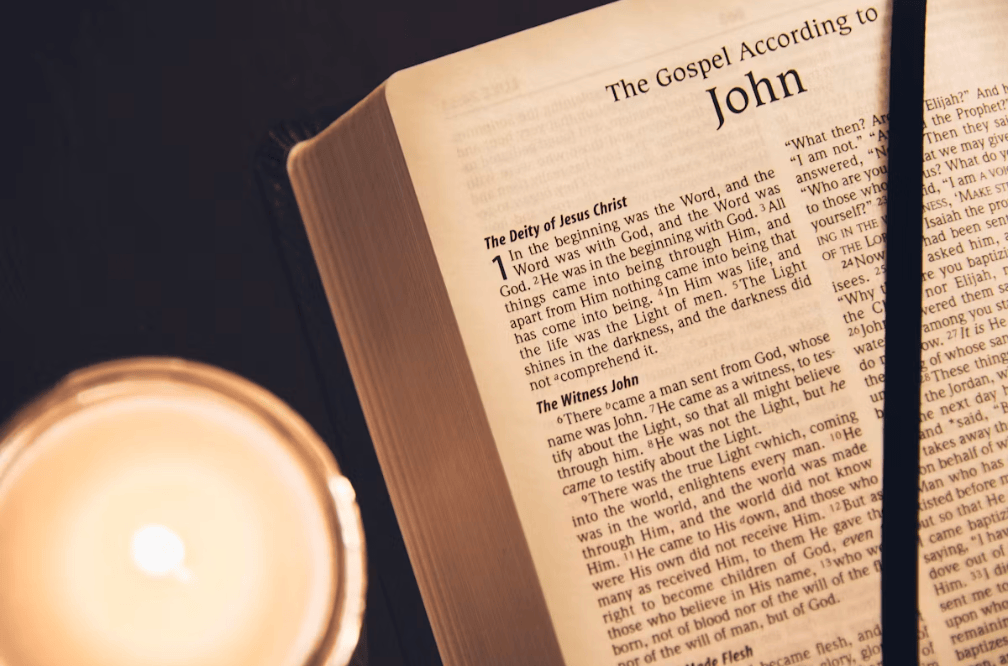
Could All of This Have Been Added to the Gospels Later?
We also need to distinguish two questions.
Were individual details in the resurrection narratives shaped as the traditions were transmitted?
And: Was resurrection itself a late addition?
Those aren’t the same claim. The early Pauline evidence makes the second one extremely difficult.
Before the Gospels reached their final written forms, Paul was already proclaiming resurrection. Before Paul wrote 1 Corinthians, he had already received resurrection tradition from earlier Christians.
So even if someone argues that certain Gospel details developed over time… The central claim didn’t begin with the later Gospel narratives.
Jesus was raised is there near the beginning.
So Have We Proven the Resurrection?
No. And I want to say that clearly. We’ve found problems with several alternative explanations. That is not mathematically equivalent to proving: “Therefore resurrection.”
Historical arguments don’t usually work like geometry. And supernatural explanations introduce an additional philosophical question: Can God act in history?
If someone begins with the assumption: “Miracles are impossible,” then resurrection will never be an acceptable explanation regardless of the historical evidence.
There must always be another explanation.
Hallucination. Legend. Unknown body removal. Mistaken memory. Something we haven’t thought of. Anything except resurrection.
But notice… that’s no longer only a historical conclusion. It’s also a philosophical assumption about what kinds of events are possible.

Do Miracles Violate Science?
A resurrection would absolutely be outside the ordinary course of nature.
Dead people remain dead..Christianity agrees. That’s why the resurrection matters. 😂
If dead people naturally climbed out of graves every few weeks, Easter wouldn’t be particularly impressive.
Science describes regular patterns within the natural world. Under ordinary biological processes, dead human beings do not spontaneously return to life.
The Christian claim isn’t: “Sometimes biology randomly reverses death.” It’s: God acted.
So the question isn’t whether resurrection is naturally expected. It isn’t. The question is whether a God who created the natural world could act within it.
If God doesn’t exist… The resurrection isn’t a serious explanation.
If God does exist… Then a miracle isn’t logically impossible merely because nature wouldn’t produce it by itself.
That doesn’t prove this particular miracle occurred. But it means we shouldn’t reject it simply by definition before examining the evidence.
Extraordinary Claims and Extraordinary Evidence
You’ve probably heard: “Extraordinary claims require extraordinary evidence.” Fair enough.
A resurrection claim should require stronger evidence than: “My cousin’s friend’s neighbor swears it happened.” 😂
But what counts as enough evidence depends partly on what we’re trying to establish.
We don’t have video. We don’t have DNA testing. We don’t have Jesus’ death certificate sitting in a museum.
We have ancient historical evidence. That’s the kind of evidence we’d expect when investigating something from the first century.
So the fair question isn’t: “Do we have the type of evidence we’d have if this happened yesterday?” Obviously not.
The fair question is: “Given the kind of evidence available for ancient history, what explanation best accounts for what we have?”

Let’s Put the Pieces Together
So let’s gather them.
Jesus was crucified and died. His followers very early came to believe God raised Him from the dead. The resurrection proclamation wasn’t a development that appeared centuries later.
Paul preserves early resurrection tradition. Peter was among the earliest people associated with resurrection appearances. Paul went from persecuting Christians to proclaiming Christ after what he believed was an appearance of Jesus. James, Jesus’ brother, became a leader in the Christian movement and is also named in the appearance tradition.
The Gospels report an empty tomb discovered by women. The disciples’ resurrection belief transformed a humiliating crucifixion from apparent defeat into the center of their proclamation.
None of those things individually proves resurrection. But together… They create something that needs explaining.
Which Explanation Has the Greatest Explanatory Power?
The swoon theory struggles with Jesus’ death. The wrong-tomb theory might explain an empty tomb but not the appearances. A stolen body might explain the empty tomb but not sincere experiences of Jesus. Deliberate conspiracy struggles to explain the apparent sincerity of the earliest witnesses.
Hallucination or visionary-experience theories can potentially explain some appearance experiences, but become more complicated when accounting for different individuals, reported groups, Paul, James, and, if accepted, an empty tomb.
Legendary development struggles with how early resurrection belief appears. A purely metaphorical resurrection doesn’t fit comfortably with Paul’s earliest discussion of bodily resurrection.
Does that mean each naturalistic explanation is impossible? No. Historical evidence rarely allows us to say that.
Someone can combine theories.
Maybe the body was moved and several people had religious experiences. Maybe memories and traditions developed afterward. Maybe there are historical circumstances we simply don’t know.
Those remain possibilities. But Christianity offers one explanation that accounts for the central pieces together: Jesus actually rose from the dead.
The tomb was empty because He was no longer dead. The disciples believed they saw Him because they did. Paul became convinced Jesus appeared to him because Jesus did. James changed because he encountered his risen brother.
Resurrection belief began immediately because there actually was a resurrection to proclaim.
It’s an extraordinary explanation. But if God exists… It isn’t an impossible one.

So where does that leave us? Not with a mathematical proof. Not with a photograph of Jesus leaving the tomb. Not with evidence so overwhelming that disbelief becomes psychologically impossible. But we do have a historical puzzle.
Something happened after Jesus was crucified that convinced His earliest followers that He was alive again. That conviction appeared very early. It transformed frightened and confused followers into proclaimers of a risen Messiah.
It reached people like James. It reached an opponent like Paul. And it became the heartbeat of Christianity.
Alternative explanations can account for pieces of that story..The question is whether they account for the whole picture better than the explanation the earliest Christians themselves gave: He is risen.
But there’s one more thing we need to talk about. Because even if I became convinced that the resurrection is historically credible… So what?
What would it actually mean if Jesus rose? Would it simply be the strangest event in human history? A fascinating miracle? Evidence that life after death exists?
Or does the resurrection make a much bigger claim about who Jesus is?.Because Christianity isn’t ultimately asking us to stand outside an empty tomb saying: “Huh. Interesting.”
If Jesus really rose… then everything changes.
His claims matter.
His cross matters.
Sin matters.
Death isn’t final.
Hope isn’t wishful thinking.
And Jesus isn’t merely another religious teacher whose ideas we can accept or reject however we please.
So in the final part of this entire series… we’re going to ask the question behind all ten questions:
If Jesus really rose from the dead… what am I going to do about Him?
One more part. Let’s finish this.
If Jesus Rose… What Does That Mean?
We’ve spent this blog asking whether the resurrection is historically credible. We’ve looked at Jesus’ death. The early resurrection proclamation. Paul. James. The appearance traditions. The empty tomb. The disciples. Alternative theories. Hallucinations. Legend. Conspiracy. Wrong tomb. Swoon theory. All of it.
But eventually… we have to move beyond: “Did something happen?” and ask: “If Jesus really rose from the dead, what does that mean?” Because Christianity isn’t built around a random miracle.
The resurrection isn’t: “Wow. Someone came back to life. That’s wild.” It’s the vindication of Jesus.
It confirms that His death wasn’t merely a tragic execution. It confirms that death didn’t have the final word. And it forces us to take Jesus much more seriously.
Because if He really rose… then He isn’t merely one religious teacher among many.

The Resurrection Vindicates Jesus
During His ministry, Jesus made enormous claims. He spoke with remarkable authority. He forgave sins. He claimed a unique relationship with the Father. He identified Himself with the Son of Man figure from Daniel. He spoke of judging the world.
He said: “I am the way, and the truth, and the life.” (John 14:6)
And He predicted His own death and resurrection.
If Jesus had died and stayed dead… Those claims would look very different. But the New Testament presents the resurrection as God’s public vindication of Jesus.
Paul says Jesus: “…was declared to be the Son of God in power according to the Spirit of holiness by his resurrection from the dead…” (Romans 1:4)
That doesn’t mean Jesus became the Son of God at the resurrection. The point is that the resurrection powerfully reveals and vindicates who He is.
God raised the One Rome crucified. The rejected Messiah was vindicated. The One who appeared defeated… wasn’t.
The Cross Wasn’t a Failure
From a purely human perspective, crucifixion looked like failure.
Jesus had followers. Then He was arrested. Humiliated. Executed. His movement should have ended.
Instead, the cross became the center of Christianity. Why? Because Christians didn’t come to believe: “Jesus tried His best and unfortunately Rome won.” They believed the cross was part of God’s redemptive plan.
Paul writes: “Christ died for our sins in accordance with the Scriptures…” (1 Corinthians 15:3)
And resurrection changes how Christians interpret that death.
The cross and resurrection belong together. Without the resurrection, the cross looks like defeat. With the resurrection… the cross becomes victory through apparent defeat.
Jesus doesn’t simply survive death. He defeats it.

Death Doesn’t Get the Final Word
This is one of the most beautiful implications of the resurrection.
Paul writes: “Death is swallowed up in victory.” (1 Corinthians 15:54)
Then: “O death, where is your victory?
O death, where is your sting?” (1 Corinthians 15:55)
Christianity doesn’t respond to death by pretending death isn’t terrible. We’ve talked about that throughout this series.
Death hurts. Jesus wept at Lazarus’s tomb.
Paul calls death: “The last enemy to be destroyed.” (1 Corinthians 15:26)
An enemy. But because Jesus rose… death is a defeated enemy.
It still wounds us. It still separates people. It still causes grief. But Christianity says it doesn’t get the last sentence.
The resurrection of Jesus is called the “firstfruits” of what is coming (1 Corinthians 15:20). His resurrection isn’t an isolated event. It’s the beginning of a promise.
Those who belong to Christ will also be raised.
Christian Hope Is Resurrection
I think sometimes Christians talk about eternal life almost entirely as: “When I die, my soul goes to heaven.” And yes, being with Christ after death matters. But biblical Christian hope goes further.
It’s resurrection. Paul spends most of 1 Corinthians 15 talking about the resurrection of believers.
He says: “What is sown is perishable; what is raised is imperishable.” (1 Corinthians 15:42)
Christian hope isn’t ultimately escape from creation. It’s restoration. Resurrection. New creation.
Revelation describes: “a new heaven and a new earth…” (Revelation 21:1)
Then: “Behold, I am making all things new.” (Revelation 21:5)
Not: “I am throwing everything away.” New.
The resurrection of Jesus is the beginning of that future.

That Means Your Body Matters
This has implications we sometimes miss.
If God’s ultimate plan were simply to release souls from physical bodies forever… Bodily resurrection would be strange. But Christianity says God created the physical world and called it good.
Sin damaged creation. It didn’t make creation worthless. And Jesus didn’t merely escape His body after death. He rose.
Christianity therefore gives tremendous dignity to physical existence. Bodies matter. Creation matters. What we do with our bodies matters.
What happens to people physically matters. Caring for the sick matters. Feeding hungry people matters. Protecting vulnerable people matters. Justice matters.
The resurrection refuses to reduce salvation to: “Your invisible spiritual part gets to leave someday.”
God is redeeming people. Entire people.
The Resurrection Means Evil Doesn’t Win Either
Think about Good Friday. The innocent One is condemned..Political cowardice wins. Religious corruption wins. Betrayal wins. Violence wins. Death wins.
At least… that’s what Friday looks like. Then Sunday happens. And suddenly the worst thing human beings could do becomes the place where God’s redemption breaks into history.
That doesn’t make evil good. Judas’ betrayal wasn’t good. The false accusations weren’t good. The beating wasn’t good. The crucifixion wasn’t good. But evil couldn’t stop God’s purposes. That’s Christian hope.
Not: “Nothing bad will happen.” But: “Nothing evil can ultimately defeat God.”
The empty tomb is Christianity’s answer to despair.

What Does the Resurrection Say About Sin?
This is where things become personal again. The resurrection isn’t only good news because someday we don’t have to die. It’s connected to what Jesus accomplished at the cross.
Paul says Jesus: “…was delivered up for our trespasses and raised for our justification.” (Romans 4:25)
Sin separates us from God. And throughout this series, we’ve repeatedly run into the same uncomfortable truth.
The problem isn’t only evil “out there.” It’s in us.
We’ve talked about hell. Judgment. Free will. Old Testament evil. Unanswered prayer. And again and again… Scripture turns the question back toward the human heart.
We need rescue. The resurrection declares that Jesus’ saving work wasn’t defeated. The crucified Savior lives.
“But I’m a Good Person.”
Maybe. At least compared with some people.
But Christianity doesn’t ask: “Are you better than the worst person you can think of?” That’s a fairly manageable standard. 😂
It asks whether we are reconciled to a holy God.
Paul says: “For all have sinned and fall short of the glory of God…” (Romans 3:23)
All. Not just murderers. Not just dictators. Not just people whose sins make the news.
Me.
You.
Everyone.
Christianity doesn’t say: “Try harder and hopefully your good deeds eventually outweigh your bad ones.” It says salvation is a gift.
“For by grace you have been saved through faith. And this is not your own doing; it is the gift of God…” (Ephesians 2:8)
Jesus’ resurrection means the Savior Christians trust… Is alive.
Christianity Is Not Primarily Advice
This is one reason Christianity is different from simply following a moral philosophy.
At the center of Christianity isn’t: “Here are some useful principles Jesus taught.”
Love your neighbor.
Forgive.
Be generous.
Don’t judge hypocritically.
Help people.
Those teachings matter. But Christianity isn’t primarily advice. It’s news. Something happened.
Jesus lived.
Jesus died.
Jesus rose.
The earliest Christians called their message “gospel.” Good news.
Advice tells you what you should do. News tells you something has happened that changes your situation.
Christianity certainly tells us how to live. But it begins with what God has done.
So Is the Resurrection Proof That Forces Everyone to Believe?
No. Clearly not. People know the historical arguments and remain unconvinced. Scholars examine the same sources and reach different conclusions.
Some believe Jesus rose. Some believe His followers had sincere religious experiences. Some think the evidence is insufficient to establish what happened.
Historical evidence requires interpretation. And faith isn’t produced by winning an argument.
Jesus Himself encounters people who see extraordinary things and still resist Him.
Evidence matters.
Reason matters.
Apologetics matters.
But people are not equations where enough evidence automatically produces belief. Christianity claims something deeper is happening in the human heart.

Faith Isn’t Believing Without Evidence
At the same time… biblical faith isn’t: “Believe something even though there’s no reason to.” The earliest Christian preaching repeatedly appeals to events and testimony.
John says regarding his Gospel: “…these are written so that you may believe that Jesus is the Christ, the Son of God…” (John 20:31)
Luke opens his Gospel by explaining that he investigated the traditions handed down by eyewitnesses so that his reader could have certainty concerning what he had been taught (Luke 1:1–4). Paul appeals to witnesses in 1 Corinthians 15. Christian belief has historical claims at its center.
Faith isn’t the absence of reason. It’s trust. And trust can be informed by evidence without being reducible to a mathematical proof.
What If I Still Have Doubts?
Then you’re probably human. 😂
Thomas doubted. The disciples struggled to understand. Matthew even records something surprising after the resurrection:
“And when they saw him they worshiped him, but some doubted.” (Matthew 28:17)
Think about that. The Gospel writer doesn’t hide it. Some doubted.
Questions aren’t necessarily the enemy of faith. This entire series exists because questions matter. The issue is what we do with them.
Do we use questions as an excuse never to seek? Or do we follow them honestly?
Do we investigate? Do we read? Do we pray? Do we listen? Do we admit when our assumptions were wrong? Do we remain willing to discover something we didn’t expect?
Faith doesn’t require pretending certainty is stronger than it is. It requires honesty about what we know… and courage about what we do with it.

The Question Behind the Question
So after all the history… all the arguments… all the theories… maybe the final question isn’t: “Can I prove the resurrection beyond every imaginable doubt?”
Maybe it’s: “What explanation makes the best sense of what happened to Jesus and His earliest followers?”
And then… even more personally: “If Jesus really rose from the dead, what am I going to do about Him?”
Because I can spend years debating whether Jesus rose… and still avoid Jesus.
I can know every argument. I can discuss Greek words. I can quote Josephus. I can explain 1 Corinthians 15. I can know the differences between hallucination theories and legendary-development theories. And still never answer the invitation Christ makes.
Jesus says: “Come to me…” (Matthew 11:28)
Christianity doesn’t ultimately ask us merely to agree that a historical event probably occurred. It calls us to a Person.
What Am I Going to Do With Jesus?
C. S. Lewis famously argued that Jesus cannot easily be reduced to merely a great moral teacher. And while his exact “Lord, liar, lunatic” formulation doesn’t cover every possible historical option… The question behind it is still important.
What do we do with Jesus?
If He stayed dead… Christianity collapses. Paul admits that. But if He rose… then we have to reckon with Him.
Not merely admire Him. Not merely quote Him. Not merely use Him as inspiration.
Jesus calls people to follow Him.
To repent.
To believe.
To trust Him.
To take up their cross.
To love God.
To love others.
To forgive.
To obey.
To surrender.
The resurrection doesn’t merely ask: “Do you think Jesus existed?”
It asks: “Who is Jesus to you?”

My Takeaway
I can’t give someone a mathematical equation proving the resurrection. I can’t take you back to Jerusalem in the first century. I can’t show you video footage from outside the tomb. What I can do is look at the historical evidence honestly.
Jesus was crucified. His followers very early proclaimed that He rose. People believed they encountered Him alive. Paul went from persecutor to apostle. James went from skepticism to leadership in the Christian movement. The resurrection message wasn’t invented centuries later. And the Christian explanation for all of that is incredibly simple.
Jesus rose.
Is that extraordinary? Absolutely. It’s supposed to be.
But if God exists… Then “extraordinary” isn’t the same thing as “impossible.” And after looking at the alternatives… I believe the resurrection makes the best sense of the evidence.
But even that isn’t the end for me. Because Christianity isn’t merely something I believe happened. It’s Someone I follow.
The empty tomb matters because the One who walked out of it… Is still Lord.
Questions to Reflect On
– Before reading this, what did you think the strongest argument against the resurrection was?
– Which piece of historical evidence do you find most interesting: the early resurrection tradition, the appearances, Paul, James, or the empty tomb?
– Do you think you’ve ever assumed miracles are impossible before actually considering whether God exists?
– Does the early date of the resurrection proclamation change the way you think about the idea that Christianity developed through legend?
– How does Jesus’ resurrection affect the way you think about death?
– If the resurrection really happened, what does that imply about Jesus’ identity?
– Is there a difference between believing facts about Jesus and actually trusting Him?
– What would it look like for you personally to respond to Jesus rather than simply studying Him?

Ten questions ago, we started with suffering. Why would a good God allow so much pain? And somehow… after everything… we’ve arrived at an empty tomb.
I don’t think that’s an accident. Because Christianity doesn’t answer every difficult question with a complete explanation.
Sometimes it gives us one. Sometimes it gives us part of one. Sometimes it tells us truths we have to hold together. And sometimes… It points us toward Jesus.
Why suffering? Look at the God who entered suffering.
Why judgment? Look at the Savior who offers mercy.
Why does God seem hidden? Look at Christ.
Can we trust Scripture? Look at the story that leads to Him.
Did science disprove God? Study the world He made.
What about freedom and sovereignty? Follow Him with the choices in front of you.
Why does the Old Testament seem harsh? Look at the holiness and mercy revealed in Christ.
Why doesn’t God answer every prayer? Look at Gethsemane.
And now: Did Jesus really rise from the dead?
I believe He did. And if the tomb is empty… Then hope is not pretending everything will be okay. Hope has a name.
Jesus.
~~*~~
Father,
Thank You for meeting us in our questions. Thank You that You are not threatened by our doubts, our confusion, or our desire to understand..Thank You for Jesus. Thank You that He lived among us. Thank You that He suffered. Thank You that He willingly went to the cross..Thank You that death did not hold Him. And thank You that the tomb is empty.
Give us wisdom to seek truth honestly. Protect us from pretending we know more than we do. Give us humility where evidence has limits, courage where truth calls us to respond, and faith that is rooted not in wishful thinking but in You.
For those who doubt, meet them in their questions. For those who are searching, guide them toward truth. For those who have been hurt by Christians, help them see Jesus clearly despite the ways Your people sometimes fail to represent Him. For those who believe, keep our faith from becoming merely intellectual.
Don’t let us become people who know arguments about Jesus but don’t actually follow Him. Remind us that the resurrection is not simply something to defend. It’s something to live because of.
Teach us to live like death has been defeated..Teach us to live like grace is real. Teach us to forgive because we’ve been forgiven. Teach us to love boldly. Teach us to walk in holiness..Teach us to carry hope into places that feel hopeless. And when we face death, remind us that the grave is not the end.
Jesus is alive. And because He lives… we have hope. May every question we ask ultimately draw us closer to truth. And may truth always lead us closer to Christ.
In Jesus’ precious name,
Amen.
Well. We made it. Ten questions. Ten blog posts. A ridiculous number of Bible verses.
History.
Science.
Philosophy.
Theology.
Ancient warfare.
Free will.
Hell.
Prayer.
The Big Bang.
Canaan.
The multiverse.
And somehow… burritos. 😂
When I started Questions Worth Asking, I didn’t want to create a series where Christians pretended every difficult question had an easy answer.
I didn’t want: “Just have faith.” I didn’t want: “Don’t question God.” And I definitely didn’t want to defend Christianity by making claims that weren’t actually true.
I wanted to ask the questions people really ask. The uncomfortable ones. The questions Christians sometimes avoid because we’re scared we won’t know the answer. And there were moments in this series where the answer genuinely was: “I don’t know.”
I think that’s okay. Actually… I think learning when to say that has been part of the point.
Faith doesn’t require us to know everything. It requires us to be honest about what we know, humble about what we don’t, and willing to keep seeking.

We Asked Why God Allows Evil and Suffering
We wrestled with one of the oldest objections to belief in God.
If God is good… why is there so much pain? We talked about human freedom. Natural suffering. God’s ability to redeem evil without calling evil good.
And ultimately… we looked at Jesus.
A God who doesn’t observe suffering from a distance. A God who enters it.
We Asked Whether God Really Sends People to Hell
We talked about judgment. Justice. Human rebellion. Christian disagreements about exactly how hell should be understood. And we refused to turn eternal judgment into something Christians should talk about casually or gleefully.
If hell is real… It should make us compassionate. Not smug.
We Asked Whether Jesus Is Really the Only Way
That’s not an easy claim in a pluralistic world. We talked about other religions. Sincere belief. People who have never heard.
And why Christianity’s claim isn’t ultimately: “Christians are better than everybody else.” It’s: Jesus is the Savior.
Christianity isn’t exclusivity based on our superiority. It’s rescue based on His grace.
We Asked Whether We Can Trust the Bible
We talked about manuscripts. Transmission. Translation. Canon. Apparent contradictions. Context.
And why: “The Bible has been translated so many times it’s basically a giant game of telephone” isn’t an accurate description of how our Bibles are produced. 😅
We learned that trusting Scripture doesn’t require us to be afraid of studying how Scripture reached us.
We Asked Why God Doesn’t Just Prove He Exists
We talked about evidence. Hiddenness. Faith. Human freedom. And whether overwhelming proof would necessarily produce love or obedience.
We talked about seeking. And we admitted that sometimes God genuinely feels hidden.
We Asked Whether Science Disproved God
And wow.
That one got out of control. 😂 We talked about the Big Bang. Genesis. Evolution. Adam and Eve. Fossils. Fine-tuning. The multiverse. The limits of science.
And yes…“Okay, but who created God?”
We learned that Christians don’t need to fear studying creation. If God created the natural world… Truth discovered there belongs to Him too.
We Asked Whether God’s Foreknowledge Leaves Room for Free Will
Calvinists. Arminians. Molinists. Compatibilists. Libertarian free will. Predestination. Election.
We opened the box. 😭😂
And we didn’t solve two thousand years of Christian disagreement. Shocking. But we learned that Scripture teaches truths Christians have to take seriously together.
God is sovereign.
Human choices matter.
We are responsible.
God knows.
We choose.
And sometimes faithfulness means refusing to pretend the mystery is smaller than it is.
Also… we learned God apparently knows what burrito we’re ordering tomorrow. So there’s that. 🌯😂
We Asked Why God Seems So Harsh in the Old Testament
The Flood. Sodom. Egypt. Slavery. Old Testament law. Canaan.
That was not exactly the lighthearted week. 😅 We refused to sanitize difficult passages. But we also challenged the caricature of an angry Old Testament God replaced by gentle Jesus.
The Old Testament is filled with mercy. The New Testament contains judgment. Same God.
And eventually… justice and mercy brought us back to the cross.
We Asked Why God Doesn’t Answer Every Prayer
We talked about yes. No. Wait. Silence. Miracles. Faith. Lament. Paul’s thorn. And Gethsemane.
We learned that unanswered prayer isn’t the same thing as unheard prayer. That God’s silence isn’t proof of His absence. That faith doesn’t mean manipulating God with enough confidence.
And that sometimes one of the deepest prayers we can learn is: “Not my will, but Yours be done.”
And Finally…
We Asked Whether Jesus Really Rose From the Dead
Which brought us here. To the question Christianity itself says everything depends on.
If Jesus stayed dead… our faith is futile. Paul’s words, not mine. 😅
But if He rose… death lost. Sin doesn’t get the final word. The cross wasn’t defeat. And Jesus isn’t merely another teacher.
He is alive.

There Are Still More Questions
Ten blog posts didn’t answer everything. Not even remotely. 😂
There are questions about Christianity we never touched.
– The Trinity.
– Old Testament prophecy.
– Different denominations.
– Women in ministry.
– Spiritual gifts.
– The reliability of specific biblical stories.
– The relationship between God’s sovereignty and suffering.
– Heaven.
– Angels.
– Demons.
– End-times theology.
– Why Christians disagree about basically everything. 😂
We could keep going forever. But maybe that’s the point. Questions aren’t something we graduate from.
We’re always learning. Always growing. Always discovering how much we don’t know. And that’s okay.
Questions Worth Asking Was Never About Winning Arguments
I love apologetics. Clearly. 😂 I think evidence matters. I think Christians should know why they believe what they believe. I think we should be able to respond thoughtfully when someone asks difficult questions.
Peter writes: “…always being prepared to make a defense to anyone who asks you for a reason for the hope that is in you…” (1 Peter 3:15)
But there’s another part of that verse Christians sometimes forget. “…yet do it with gentleness and respect.”
The goal isn’t: Destroy the atheist in the comments section. 🔥 Please don’t. 😭😂
People aren’t arguments to win. They’re people.
The goal of apologetics isn’t proving that we’re smarter. It’s pointing toward truth. And if Christianity is true… Truth ultimately points toward Christ.
Apologetics Is Not the Destination
This is something I’ve kept coming back to throughout this series.
I can know every argument for God’s existence. I can memorize the historical case for the resurrection. I can understand manuscript transmission. I can explain free will models. I can discuss philosophy. I can defend the reliability of Scripture.
And still miss the point.
Jesus once spoke to people who knew Scripture incredibly well and said: “You search the Scriptures because you think that in them you have eternal life; and it is they that bear witness about me…” (John 5:39)
Knowledge matters. Doctrine matters. Study matters. But all of it is supposed to lead somewhere. Or rather… To Someone.
Apologetics is not the destination.
Jesus is.
So… This Is the End
That’s weird to write. 🥺 For ten weeks, we’ve had another question waiting for us.
Another topic to research. Another difficult verse. Another: “Okay… we’re really going there?” 😂
But there isn’t a: “Next Question:” this time.
This is it. The end of Questions Worth Asking. But I hope it isn’t the end of the questions.
Keep asking. Keep seeking. Keep reading. Keep studying. Keep opening your Bible. Keep talking to people who disagree with you. Keep checking whether the things you’ve been told are actually true. Keep admitting when you don’t know. Keep changing your mind when the evidence requires it. Keep bringing the difficult stuff to God.
And above everything else… keep pursuing Jesus.
Because after ten questions… Thousands and thousands of words… difficult passages… Historical arguments… philosophy… Science… Theology… prayer… And more than a few terrible jokes… 😂
He’s still the reason any of this matters.
So this is the end of Questions Worth Asking. But hopefully… It’s only another step in knowing Him.
Apologetics is not the destination.
Jesus is. ❤️
 Scriptural Musings with Booferchick