Why Does God Seem So Harsh in the Old Testament?
“I like Jesus. I just have a problem with the God of the Old Testament.”
I’ve heard versions of that statement plenty of times. And honestly? I understand why someone might feel that way.
Open the New Testament and you find Jesus healing the sick, welcoming children, eating with sinners, forgiving people, touching lepers, and telling His followers to love their enemies.
Then open the Old Testament and you encounter… The Flood. Sodom and Gomorrah. Plagues in Egypt. Wars. Entire cities destroyed. People dying after disobeying God. Laws with punishments that can sound shockingly severe to modern ears.
And eventually someone asks: What happened? Did God change? Was He angry and violent in the Old Testament and then become loving and forgiving when Jesus showed up?
Or, even more troubling… Are Christians simply trying to make an ancient, violent God sound nicer than He actually is?
Those aren’t questions we should dismiss. Some passages in the Old Testament are difficult. And if our response is simply: “Well, God did it, so obviously it was fine.”… we haven’t really helped the person struggling with what they just read.
At the same time, if we’re going to judge the character of the God portrayed in the Old Testament, we should make sure we’re judging what the Bible actually portrays. Because the popular picture of an angry Old Testament God suddenly replaced by gentle Jesus has a pretty significant problem.
The Bible doesn’t actually give us those two Gods.
First… Jesus Is Not God’s Nice Replacement
This is probably the most important place to begin. Christianity doesn’t teach that the Father behaved terribly for a few thousand years until Jesus finally arrived and convinced Him to be nicer to humanity. 😂
Jesus says: “Whoever has seen me has seen the Father.” (John 14:9)
And John writes of Jesus: “No one has ever seen God; the only God, who is at the Father’s side, he has made him known.” (John 1:18)
Jesus reveals God’s character. That means we can’t separate Jesus from the God revealed throughout Scripture as though they’re morally opposed to each other.
In fact, the New Testament identifies Jesus with the divine identity in striking ways. John opens his Gospel by declaring:
“In the beginning was the Word, and the Word was with God, and the Word was God.” (John 1:1)
And then:
“The Word became flesh and dwelt among us…” (John 1:14)
So from a Christian perspective, Jesus isn’t showing up to correct the character of some different God. He is revealing the God who has been there all along. Which means the question becomes more interesting.
If God hasn’t changed… Why does He sometimes seem so different?

The Old Testament God Is Actually… Really Merciful
This part often gets left out of the conversation. Ask someone to describe God in the Old Testament and you might hear:
Angry.
Wrathful.
Jealous.
Punishing.
And yes, the Old Testament absolutely speaks about God’s anger and judgment. But do you know how the Old Testament repeatedly describes God’s own character?
After Israel builds a golden calf almost immediately after entering covenant with Him, God reveals Himself to Moses:
“The LORD, the LORD, a God merciful and gracious, slow to anger, and abounding in steadfast love and faithfulness…” (Exodus 34:6)
That’s Old Testament. And that description becomes one of the most repeated descriptions of God throughout the Old Testament.
David says: “But you, O Lord, are a God merciful and gracious, slow to anger and abounding in steadfast love and faithfulness.” (Psalm 86:15)
The psalmist says: “The LORD is merciful and gracious, slow to anger and abounding in steadfast love.” (Psalm 103:8)
Joel says: “Return to the LORD your God, for he is gracious and merciful, slow to anger, and abounding in steadfast love…” (Joel 2:13)
Jonah says basically the same thing in Jonah 4:2.
Actually, Jonah is angry because God is so merciful.Which is kind of hilarious considering the stereotype we’re investigating. 😂
God sends Jonah to Nineveh, the capital of the Assyrian Empire, to warn them about coming judgment. The people repent. And God relents from the disaster He had warned them about.
Jonah’s response? Essentially: “I KNEW YOU WERE GOING TO DO THIS.”
He complains: “I knew that you are a gracious God and merciful, slow to anger and abounding in steadfast love…” (Jonah 4:2)
Jonah isn’t upset because God is cruel. He’s upset because God showed mercy to people Jonah believed deserved judgment. That complicates the picture considerably.
God Warns Before He Judges
Another pattern appears repeatedly in the Old Testament. God is often extraordinarily patient before judgment arrives.
Take the Canaanites. We’re going to spend much more time on them because this is probably the hardest part of the entire question. But centuries before Israel enters Canaan, God tells Abraham:
“…the iniquity of the Amorites is not yet complete.” (Genesis 15:16)
That’s an interesting statement. Israel isn’t immediately given the land. They wait generations.
Whatever else we’re going to say about the later judgment of Canaan, the story itself doesn’t portray God as impulsively deciding one afternoon to destroy people. Judgment comes after a long period of patience.
We see something similar with Nineveh. God warns them. They repent. Judgment is withheld.
We see it repeatedly with Israel too. God sends prophets.They warn. And warn. And warn. And warn.
Israel ignores them. God sends more prophets. They ignore those too. Eventually judgment comes. And then people sometimes read only the judgment and ask: “Why is God so angry?”
But we’ve skipped hundreds of years of rebellion, injustice, idolatry, warnings, patience, and opportunities to repent. That context matters. It doesn’t automatically answer every difficult passage. But it does challenge the idea that the Old Testament portrays God as unpredictably exploding in rage.

But God’s Patience Doesn’t Mean He Never Judges
And here’s where Christianity can become uncomfortable for modern readers.
We like mercy.
We like forgiveness.
We like grace.
We like: “God loves you.”
We struggle much more with: “God judges evil.” But think about what would happen if He didn’t.
Imagine a God who looked at genocide and shrugged. A God who watched children being abused and said: “Who am I to judge?” A God who watched slavery, murder, exploitation, rape, oppression, corruption, and cruelty forever… And never did anything about it.
Would we call that God loving? Probably not. We would ask why He allowed evil to continue unchecked. That’s part of what makes our objection complicated.
When God doesn’t stop evil, we ask: “Why doesn’t God do something?” But when God does judge evil, we sometimes ask: “How could God do something so harsh?”
Those aren’t necessarily contradictory questions. There are legitimate questions about how, when, and whom God judges. We’re going to ask them.
But we first have to acknowledge something: A perfectly good God cannot be permanently indifferent toward evil. If God cares about victims… Justice matters.
And This Isn’t Just an Old Testament Thing
This is where the “Old Testament God vs. Jesus” comparison really starts falling apart. Because Jesus talks about judgment. A lot.
Jesus warns: “…fear him who can destroy both soul and body in hell.” (Matthew 10:28)
He speaks about a final separation between the righteous and wicked in Matthew 25. He pronounces judgment upon cities that rejected Him. He warns repeatedly about coming accountability before God.
And then there’s Revelation. Jesus isn’t exactly wandering through Revelation handing everybody flowers. 😅
The New Testament ends with evil being judged, Satan defeated, death destroyed, and Christ returning as King. At the same time, the Old Testament is filled with mercy.
So the biblical contrast isn’t:
Old Testament = wrath
New Testament = love
Both Testaments contain:
Love and judgment.
Mercy and justice.
Grace and holiness.
Because both Testaments reveal the same God.

Actually… Jesus Raises the Standard
There’s another interesting problem with the idea that Jesus softened the Old Testament God. Sometimes Jesus makes God’s moral demands sound more penetrating, not less.
The Law says: “You shall not murder.”
Jesus says: “…everyone who is angry with his brother will be liable to judgment…” (Matthew 5:22)
The Law says: “You shall not commit adultery.”
Jesus says: “…everyone who looks at a woman with lustful intent has already committed adultery with her in his heart.” (Matthew 5:28)
Jesus isn’t lowering God’s holiness. He’s showing that God’s concern goes deeper than outward behavior. He cares about the heart.
And yet this same Jesus eats with sinners. He forgives. He touches the unclean. He welcomes people everyone else rejects. He gives His life for His enemies.
Justice and mercy aren’t competing personalities within God. They’re both part of His character.
But Let’s Not Make This Too Easy
At this point, it would be tempting to say: “See! Old Testament God is loving too. Problem solved.”
Nope! Because we still have to deal with the passages that made us ask the question in the first place.
Why did God flood the earth? Why destroy Sodom and Gomorrah? What happened with Egypt’s firstborn? Why are some Old Testament laws so severe? Why did people sometimes die seemingly immediately after violating God’s commands?
And then there’s probably the hardest one: Why did God command Israel to wage war against the Canaanites?
There are passages involving men, women, children, cities, destruction, and language that can be deeply disturbing. We shouldn’t hide those verses. We shouldn’t sanitize them. And we definitely shouldn’t pretend: “Well, they were bad people.”…automatically answers every moral question.
If we’re going to say God is good, then difficult passages deserve more than a slogan. They deserve context. They deserve careful interpretation. And sometimes they deserve us admitting: “This is difficult for me too.”
Because faithfulness to Scripture doesn’t require pretending every verse is emotionally easy to read.

So let’s establish where we are.
The God of the Old Testament isn’t simply an angry deity who later becomes loving. The Old Testament repeatedly describes Him as merciful, gracious, patient, and overflowing with steadfast love.
Jesus doesn’t replace that God. Jesus reveals Him. And Jesus Himself teaches both extraordinary mercy and coming judgment.
So the real question isn’t: “Why was the Old Testament God mean while Jesus was nice?”
The better question is: “How can a God who is perfectly loving and perfectly just carry out judgments that sometimes look horrifying to us?”
And that’s where this gets harder. Because next… We’re talking about the Flood. Sodom and Gomorrah. Egypt. Old Testament laws and punishments.
And yes… Canaan.
We are absolutely going there!
Okay… Let’s Talk About the Difficult Stuff
We’ve established that the Bible doesn’t actually present us with an angry Old Testament God who eventually gets replaced by gentle Jesus.
God is merciful in the Old Testament. Jesus speaks about judgment in the New Testament.
Same God.
Same holiness.
Same justice.
Same mercy.
But that still leaves us with some really uncomfortable stories. Because saying: “God is just.” …doesn’t automatically make every act of divine judgment easy to understand.
So let’s actually look at them. Starting with a pretty big one. Literally.
There’s a boat involved.

The Flood
The story of Noah is sometimes turned into something strangely adorable. Cute little wooden ark. Two giraffes sticking their heads out. Elephants. Rainbows. Baby nursery decorations.
Meanwhile, the actual story is about divine judgment resulting in catastrophic death. Not exactly nursery material when you think about it.
Genesis tells us: “The LORD saw that the wickedness of man was great in the earth, and that every intention of the thoughts of his heart was only evil continually.” (Genesis 6:5)
A few verses later: “Now the earth was corrupt in God’s sight, and the earth was filled with violence.” (Genesis 6:11)
That’s important context.
The biblical story doesn’t portray God looking at a basically peaceful civilization and randomly deciding to drown everybody. Humanity has become profoundly corrupt.
And notice one word in particular:
Violence.
The world God judges is itself described as filled with violence. The Flood is therefore presented as judgment upon deeply entrenched human evil. But… There’s still an uncomfortable question.
Everyone? What about children? What about people who weren’t committing the worst acts described? And depending on how someone interprets the geographical scope of the Flood, we’re talking about an enormous loss of human life.
Those questions don’t disappear simply because Genesis says humanity was wicked. And Scripture doesn’t stop to answer every moral question we might ask about the event. That’s something we need to acknowledge.
Does God Have the Right to Take Human Life?
This is where the discussion reaches a fundamental difference between God and us. Christianity teaches that human beings don’t possess life independently of God. God is the Creator and giver of life.
Job says: “The LORD gave, and the LORD has taken away; blessed be the name of the LORD.” (Job 1:21)
Paul says: “In him we live and move and have our being…” (Acts 17:28)
Every human life ultimately belongs to God. That doesn’t mean human death is insignificant. Scripture treats death as an enemy (1 Corinthians 15:26). Jesus Himself weeps at Lazarus’s tomb.
But God’s authority over life and death isn’t equivalent to our authority over life and death. If I decide an innocent person deserves to die, I’m claiming authority I don’t possess. God, as Creator and righteous Judge, occupies a fundamentally different position.
Now, someone might reasonably respond: “Okay, but having the authority to judge doesn’t automatically mean every judgment is morally good.”
Correct.
That’s why Christianity doesn’t merely claim that God is powerful enough to judge. It claims that God is perfectly just.
Abraham asks God: “Shall not the Judge of all the earth do what is just?” (Genesis 18:25)
And interestingly, that question comes right before another difficult judgment.
Sodom and Gomorrah.
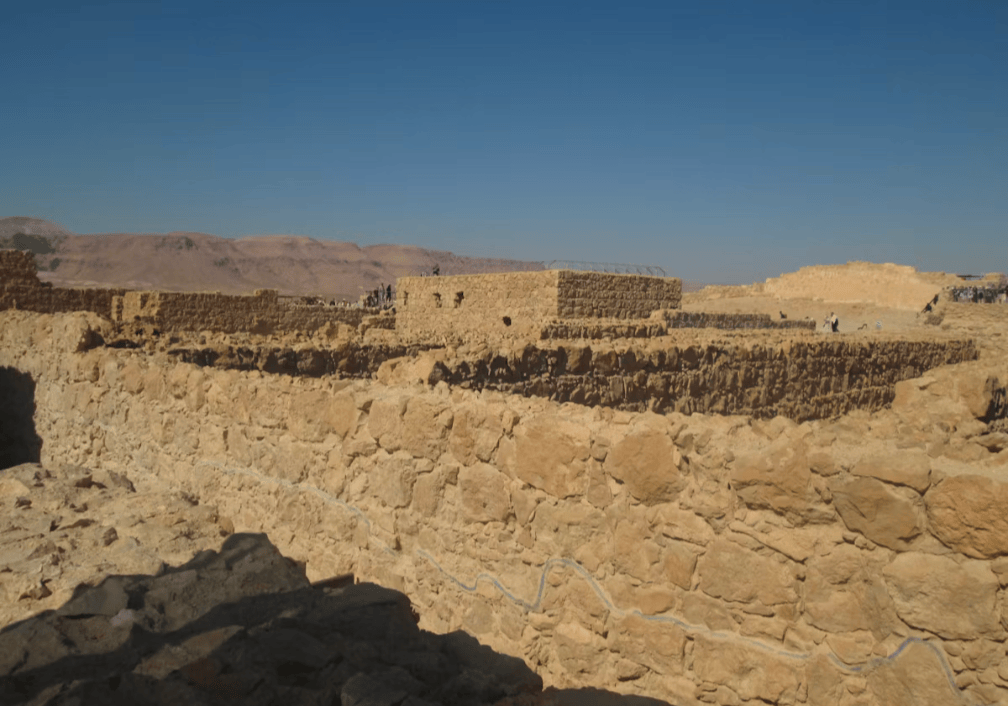
Sodom and Gomorrah
Before destroying Sodom, God does something interesting. He tells Abraham what is about to happen.
God says: “Because the outcry against Sodom and Gomorrah is great and their sin is very grave…” (Genesis 18:20)
That word outcry matters. Elsewhere in the Old Testament, similar language can describe cries arising from oppression and suffering. Something deeply evil is happening in these cities.
Then Abraham starts negotiating. “What if there are fifty righteous people?” God says He’ll spare the city.
“Forty-five?” Still spare it. “Forty?” Yes. “Thirty?” Yes. “Twenty?” Yes. “Ten?” Still yes.
The conversation reveals something important about the story. God isn’t searching for an excuse to destroy Sodom. He’s willing to spare the entire city for the sake of ten righteous people.
But even ten aren’t found.
Then Genesis 19 gives us a glimpse into Sodom’s corruption when a mob surrounds Lot’s house and demands access to his guests for sexual violence. It’s horrifying.
And before anyone gets too comfortable pointing fingers at one particular category of sin, later Scripture describes Sodom more broadly.
Ezekiel says: “Behold, this was the guilt of your sister Sodom: she and her daughters had pride, excess of food, and prosperous ease, but did not aid the poor and needy.” (Ezekiel 16:49)
The biblical picture involves arrogance, injustice, sexual wickedness, violence, and disregard for vulnerable people. Sodom’s judgment isn’t portrayed as God’s tantrum. It’s judgment upon profound corruption.
And Then There’s Egypt…
This one gets harder. The Exodus story begins with Egypt enslaving Israel. Pharaoh oppresses them brutally.
Then he orders: “Every son that is born to the Hebrews you shall cast into the Nile…” (Exodus 1:22)
Children are being killed. God hears Israel’s cries.
He tells Moses: “I have surely seen the affliction of my people who are in Egypt and have heard their cry because of their taskmasters.” (Exodus 3:7)
So once again, divine judgment appears in response to oppression. God repeatedly commands Pharaoh: “Let my people go.” Pharaoh repeatedly refuses.
Then come the plagues. Water becomes blood. Frogs. Gnats. Flies. Livestock die. Boils. Hail. Locusts. Darkness. And finally… The death of the firstborn.
That’s the part we shouldn’t rush past. Because regardless of how wicked Pharaoh was, reading about firstborn children dying is disturbing.

What About Pharaoh’s Hardened Heart?
This is another place where free will shows up again. Apparently Question #7 followed us here! 😂
Exodus sometimes says Pharaoh hardened his heart. For example:
“But when Pharaoh saw that there was a respite, he hardened his heart…” (Exodus 8:15)
Elsewhere it says God hardened Pharaoh’s heart.
“The LORD hardened the heart of Pharaoh…” (Exodus 9:12)
So which was it? The text gives us both. Pharaoh isn’t initially portrayed as an innocent man whom God randomly turns evil.
Before Moses ever confronts him, Pharaoh has enslaved a people and ordered Hebrew sons killed. And throughout the story, Pharaoh repeatedly resists God’s commands.
At the same time, Exodus explicitly presents God as sovereignly hardening Pharaoh as the confrontation develops. Exactly how divine sovereignty and Pharaoh’s responsibility relate brings us straight back into the mystery we discussed last week.
But Exodus certainly doesn’t present Pharaoh as morally innocent. He is a violent ruler repeatedly refusing God’s demand to release an oppressed people.
But What About the Firstborn?
This may be one of the hardest parts of Exodus.
God says: “Every firstborn in the land of Egypt shall die…” (Exodus 11:5)
There isn’t a clever explanation that makes that emotionally comfortable. And I don’t want to invent one.
The judgment is connected to Egypt’s oppression of Israel, including Pharaoh’s earlier command to kill Hebrew sons. God even calls Israel His “firstborn son” in Exodus 4:22–23 and warns Pharaoh that because he refuses to release God’s firstborn, judgment will fall upon Egypt’s firstborn.
There is a deliberate connection within the story. But explaining that connection doesn’t make the deaths easy to read. This is where our earlier question matters:
Do we believe God has authority over human life, and do we believe His judgments are perfectly just even when we don’t possess every detail necessary to evaluate individual cases?
Christianity answers yes. But faith doesn’t require us to pretend death isn’t tragic. The same Bible that describes God’s judgment also describes Him as compassionate. Those truths have to remain together.
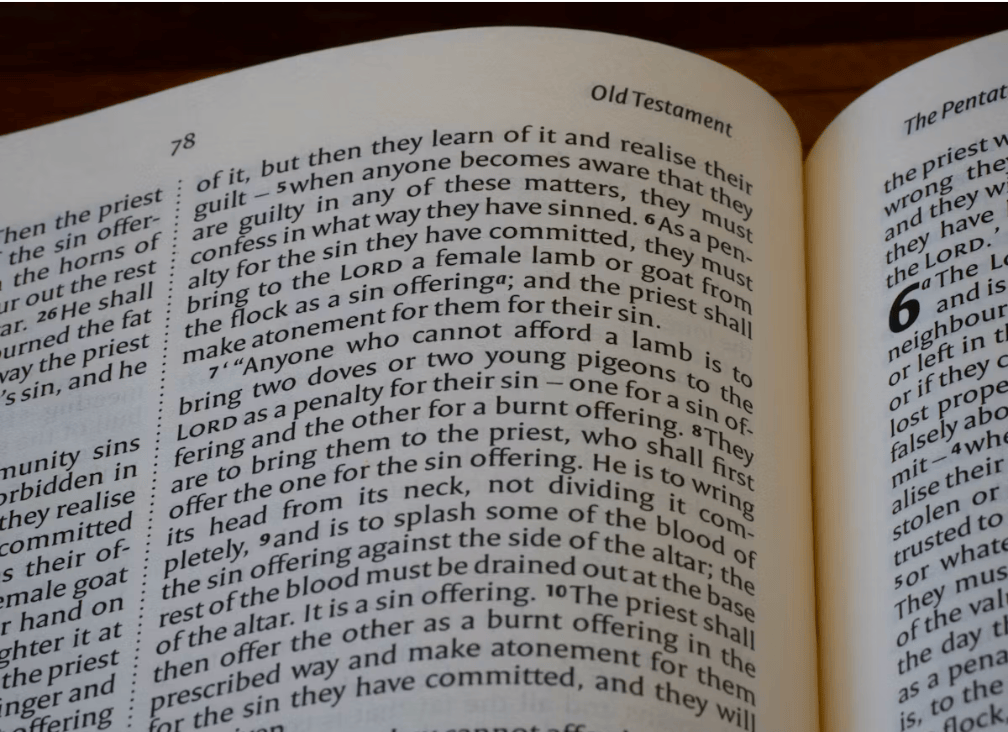
What About All Those Harsh Old Testament Laws?
Then we reach the Law. And this is where people sometimes start pulling individual verses from Exodus, Leviticus, or Deuteronomy and asking: “Christians actually believe THIS?”
Some laws sound strange. Some sound severe. Some deal with slavery. Some involve capital punishment. Some concern food, clothing, bodily fluids, agriculture, sacrifices, sexuality, disease, and ceremonial cleanliness.
And if we read ancient Israel’s law code as though Moses dropped it into modern America last Tuesday… We’re going to misunderstand quite a bit. 😂
The Mosaic Law was given to ancient Israel as a covenant nation in a particular historical and cultural setting. That doesn’t mean morality changes. It means not every command functions in exactly the same way.
Christians have historically recognized distinctions among moral principles, Israel’s civil laws, and ceremonial regulations, although the Bible itself doesn’t hand us a neat three-column chart labeled Moral / Civil / Ceremonial. That’s a theological framework Christians use to understand the Law.
And the New Testament makes clear that Christians aren’t under the Mosaic covenant in the same way ancient Israel was. The early church explicitly wrestled with this in Acts 15.
Paul writes that Christians are “not under law but under grace” (Romans 6:14), though that obviously doesn’t mean Christians are free to murder, steal, or worship idols. So we have to ask what particular laws meant within Israel’s covenant and how their underlying principles relate to Christians today.
“But the Bible Allows Slavery.”
Yep. We have to talk about that too.
The Old Testament contains laws regulating slavery. And simply saying: “Well, biblical slavery wasn’t exactly like American slavery.” isn’t enough.
It is true that slavery in the ancient Near East wasn’t identical to the race-based chattel slavery practiced in the modern Atlantic world.
Some people entered forms of servitude because of debt or poverty. Hebrew servants had protections and release provisions. Kidnapping someone in order to sell them was itself punishable by death:
“Whoever steals a man and sells him, and anyone found in possession of him, shall be put to death.” (Exodus 21:16)
Those differences matter. But we shouldn’t swing too far in the opposite direction and pretend every form of ancient slavery was basically a pleasant employment contract. It wasn’t.
The biblical laws themselves describe situations involving ownership, unequal power, and treatment that can be deeply uncomfortable to modern readers. So what do we do with that?
One important observation is that biblical law often regulates practices within a fallen ancient society without necessarily presenting every regulated practice as God’s ideal for humanity.
Jesus gives us an example of this principle when discussing divorce. He says Moses permitted divorce:
“…because of your hardness of heart, but from the beginning it was not so.” (Matthew 19:8)
Something can therefore be legally regulated within a fallen society without representing creation’s ideal.
That doesn’t answer every question about Old Testament slavery. But it cautions us against assuming: “The Law regulates X, therefore X represents God’s perfect design.”

The Law Also Protected People Ancient Societies Often Exploited
There’s another side we shouldn’t ignore. The Old Testament repeatedly commands Israel to care for people with less social power.
God says: “You shall not wrong a sojourner or oppress him…” (Exodus 22:21)
Israel is commanded not to mistreat widows and orphans. Workers are to be paid promptly. Fields aren’t to be harvested completely so the poor and foreigners can gather food. Debt is limited in various ways. Judges are forbidden from showing favoritism.
Israel is repeatedly reminded: You were slaves in Egypt. Don’t become Egypt.
That doesn’t make every Old Testament law easy for modern readers. But it reveals the moral direction of the covenant.
God repeatedly restrains exploitation and commands His people to remember the vulnerable. And when Israel eventually becomes oppressive anyway? God sends prophets to condemn them for it.
Why Are Some Punishments So Severe?
This question deserves its own section. Why death for certain sins? Why such severe consequences?
Part of the answer is that ancient Israel wasn’t merely a collection of individual believers. It was a covenant nation whose religious, civil, and communal life were intertwined.
Certain actions weren’t treated merely as private moral failures. They threatened Israel’s covenant identity and, in some cases, the welfare of the community.
But again… That doesn’t mean every punishment suddenly feels easy. And Christians should be extremely careful about taking penalties given to ancient Israel and assuming the church has authority to enforce them today. It doesn’t.
Jesus establishes His kingdom differently. The church doesn’t spread the gospel through national conquest or judicial execution.
Our mission is: “Go therefore and make disciples of all nations…” (Matthew 28:19)
Not: “Recreate ancient Israel’s civil government everywhere you go.”
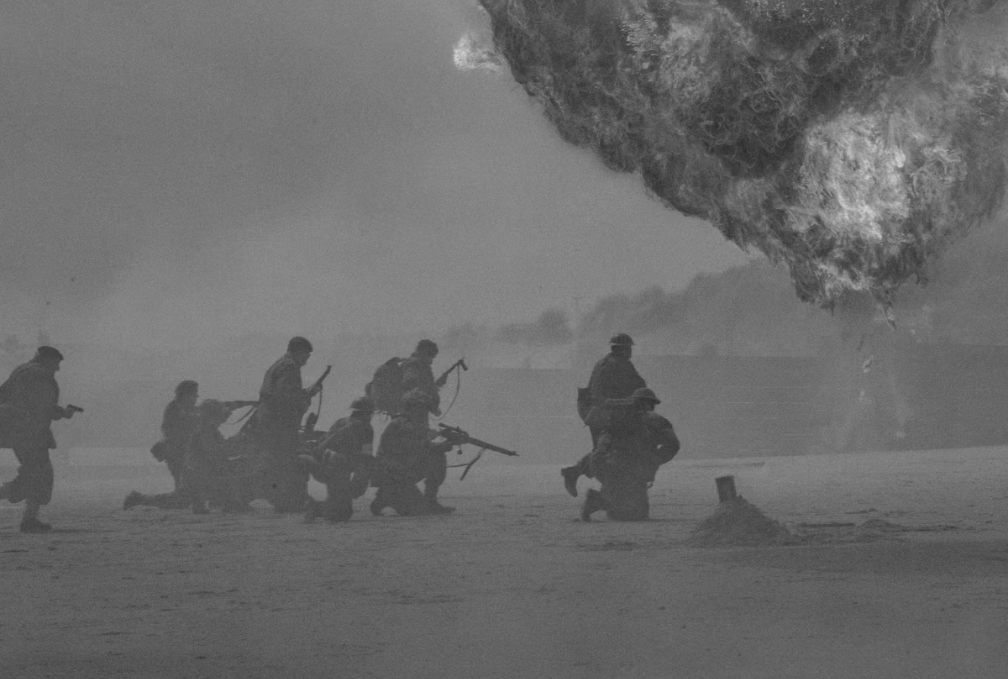
And Now We Need to Talk About Canaan
Here it is. Probably the hardest section of this entire blog.
When Israel enters the Promised Land, Scripture contains commands like this:
“You shall devote them to complete destruction…” (Deuteronomy 20:17)
And descriptions like:
“…he left none remaining…” (Joshua 10:40)
Those passages have understandably troubled believers and skeptics alike. We’re talking about warfare carried out under divine command.
And some passages explicitly use comprehensive language involving men, women, and children. So let’s establish something immediately.
We’re not going to solve this by saying: “They were evil, so who cares?”
We should care. We’re talking about human lives. We’re also not going to pretend the text says something it doesn’t. And we’re not going to casually throw around the word genocide without asking whether that modern category accurately describes what the biblical authors claim is happening.
We need context. A lot of it.
Canaan Wasn’t Judged Because Israel Was Better
This is incredibly important. God explicitly tells Israel:
“Do not say in your heart… ‘It is because of my righteousness that the LORD has brought me in to possess this land’…” (Deuteronomy 9:4)
Then He says: “Not because of your righteousness or the uprightness of your heart are you going in to possess their land…” (Deuteronomy 9:5)
Israel isn’t God’s favorite ethnic group being given permission to kill inferior people. Actually, God repeatedly warns Israel that if they commit the same kinds of evil, they will be judged too.
And eventually? They are.
Assyria conquers the northern kingdom. Babylon conquers Judah. Jerusalem is destroyed. Israel experiences exile.
God’s judgment isn’t based upon ethnicity. Canaanites aren’t judged because they’re Canaanites. Israelites aren’t spared simply because they’re Israelites. The biblical claim is that God judges evil impartially.

What Was Happening in Canaan?
The Old Testament describes Canaanite society as deeply corrupt. Leviticus 18 lists practices including incest, adultery, sexual exploitation, and child sacrifice.
God warns Israel: “Do not make yourselves unclean by any of these things, for by all these the nations I am driving out before you have become unclean…” (Leviticus 18:24)
Child sacrifice is particularly significant. Later biblical texts repeatedly condemn sacrificing children to pagan gods.
Again, none of this means: “Bad people existed, therefore every difficult detail is solved.” It doesn’t.
But it does establish the way the biblical text itself understands the conquest. It isn’t presented as racial expansion. It’s presented as divine judgment.
And remember what we saw earlier. God told Abraham about this centuries beforehand: “…the iniquity of the Amorites is not yet complete.” (Genesis 15:16)
According to the biblical narrative, judgment was delayed for generations.
Did Israel Literally Kill Every Single Person?
Here’s where things become really interesting. Ancient Near Eastern warfare often used sweeping victory language.
Statements like: “destroyed everything,” “left no survivors,” or “completely destroyed” could function as conventional descriptions of decisive military victory rather than necessarily meaning every individual person in an entire geographic region was literally killed.
And there are clues inside the Bible itself that some conquest language works this way. Joshua describes groups as completely destroyed… Yet later biblical passages continue talking about those same peoples living in the land.
For example, Joshua 10:20 describes Israel striking its enemies until they were “wiped out,” yet the very same verse immediately mentions survivors who entered fortified cities.
Judges begins after Joshua and makes abundantly clear that many Canaanite populations remain. So at least some of the conquest language appears to involve the rhetorical conventions of ancient warfare. That matters.
But it doesn’t make the problem disappear. Because even if some phrases are hyperbolic, actual warfare happened. Actual people died. And some commands themselves use comprehensive language.
We shouldn’t use the ancient-war-rhetoric argument as an eraser. It may help us understand the scope of certain descriptions. It doesn’t turn the conquest into something bloodless.

What About the Children?
And here is the question I don’t want to dodge. If children died during divine judgment… How is that just?
There are Christian answers people have proposed. Some emphasize God’s authority over life and death. Some argue that children who die are received by God’s mercy. Some emphasize the corporate nature of judgment in the ancient world. Some point out that warfare inevitably affects entire communities.
But Scripture doesn’t give us a detailed explanation of the eternal destiny of every child killed during these judgments. So I’m not going to pretend it does.
I believe God is perfectly just. I believe He cares more deeply about children than we do. I believe Abraham’s question remains true:
“Shall not the Judge of all the earth do what is just?” (Genesis 18:25)
And I can believe those things while still reading certain passages and saying: “God… this is hard for me.”
Faith doesn’t require pretending something isn’t emotionally difficult. Sometimes trust means acknowledging that I don’t possess God’s complete knowledge while still trusting the character He has revealed.
Rahab Changes the Picture Too
There’s another detail in the conquest story we shouldn’t miss.
Rahab is a Canaanite. She lives in Jericho. If this were simply a story about God exterminating an ethnic group, Rahab creates a major problem.
Because she hears what God has done. She believes. She protects Israel’s spies. And she says:
“The LORD your God, he is God in the heavens above and on the earth beneath.” (Joshua 2:11)
When Jericho falls… Rahab and her family are spared. She joins Israel. And eventually, according to Matthew’s genealogy… Rahab becomes part of the family line leading to Jesus.
That’s extraordinary.
A Canaanite woman standing inside the city marked for judgment becomes part of the covenant people.
Judgment wasn’t based simply upon ethnicity. And God’s mercy was still available within the story.

Before We Continue…
We’ve covered a lot.
The Flood.
Sodom.
Egypt.
Pharaoh.
The firstborn.
Old Testament law.
Slavery.
Severe punishments.
Canaan.
And I don’t think the faithful Christian response is to pretend none of those passages are difficult. Some of them are.
But context changes the picture. God’s judgments occur within stories of entrenched violence, oppression, idolatry, exploitation, and repeated rebellion.
Judgment is often preceded by extraordinary patience. Israel isn’t exempt from the standards imposed upon other nations. The conquest contains ancient warfare language that may be more rhetorical than a wooden reading suggests, although real violence and death remain.
And even inside stories of judgment… We find mercy. Nineveh repents. Lot is rescued. Israel is delivered. Rahab is spared.
Which brings us to the question underneath all of this: How can God’s justice and God’s mercy both be true?
And more importantly… What happens when the judgment human beings deserve doesn’t fall upon them? What happens when God Himself steps into the story?
Because eventually, every question about God’s justice leads us somewhere unexpected. To a cross. And that’s where we’re finishing this.
So… Is God Too Harsh?
After everything we’ve looked at, I think we need to return to the original question.
Why does God seem so harsh in the Old Testament?
Part of the answer is that sometimes we’re encountering God’s judgment without seeing everything that came before it. We see the Flood and miss the world “filled with violence.” We see Sodom destroyed and miss the “outcry” against it. We see Egypt judged and forget generations of slavery and Pharaoh ordering Hebrew babies thrown into the Nile. We see Canaan conquered and miss centuries of patience before God says their wickedness has reached the point of judgment.
Context matters. But I don’t think context means we’re supposed to finish reading these stories and say: “Oh! Never mind. That’s not difficult anymore.”
Some of it is difficult. And maybe part of our discomfort comes from something deeper.
We know God is loving. But perhaps we haven’t thought very much about what it means for God to be holy.

We’ve Made God Safe
I wonder sometimes whether we’ve reduced God’s love to niceness. We imagine a loving God as someone who comforts, forgives, encourages, and accepts. And He does those things.
But biblical love isn’t indifference toward evil. If God genuinely loves what is good, then He must oppose what destroys it. If God loves children, He must oppose those who exploit them. If God loves justice, He must oppose oppression. If God loves truth, He must oppose deceit. If God loves His creation, He cannot remain forever indifferent while human beings destroy one another.
God’s anger toward evil isn’t the opposite of His love. In some situations, it’s because of His love.
Think about your own reaction when someone you love is harmed. Anger can arise precisely because something precious has been violated. Of course, human anger is often selfish, uncontrolled, or unjust. God’s isn’t.
Scripture says: “The anger of man does not produce the righteousness of God.” (James 1:20)
God’s wrath isn’t a divine temper tantrum. It’s His holy opposition to evil. And that’s uncomfortable… Because once we agree that God should judge evil, another question appears.
Which evil? Only the evil I find particularly disgusting? Only dictators, murderers, abusers, and traffickers? What happens when God’s standard reaches me?
We Usually Want Justice for Other People’s Sin
It’s pretty easy to want God to judge evil when we’re thinking about someone else. We look at atrocities and say: “God, how can You let this happen?” But then Scripture turns the mirror around.
Paul writes: “For all have sinned and fall short of the glory of God.” (Romans 3:23)
Suddenly divine judgment isn’t an abstract question about ancient Canaanites. It’s about us.
Maybe I haven’t sacrificed children to an idol. Maybe I haven’t enslaved a nation. Maybe I haven’t led an army into war.
But I’ve lied. I’ve been selfish. I’ve hated. I’ve lusted. I’ve hurt people. I’ve chosen myself over God.
Jesus doesn’t allow me to divide humanity neatly into: Bad people God should judge
and people like me.
He says evil comes from the human heart (Mark 7:21–23). And that creates a much more uncomfortable problem.
If I demand that a perfectly holy God judge evil… I need to understand that I’m not standing outside the courtroom.

So Why Hasn’t God Judged Us Already?
This completely changes the question. Instead of only asking: “Why does God judge?” we might also ask: “Why is God so patient?”
Peter writes: “The Lord is not slow to fulfill his promise as some count slowness, but is patient toward you…” (2 Peter 3:9)
Paul asks: “Do you presume on the riches of his kindness and forbearance and patience, not knowing that God’s kindness is meant to lead you to repentance?” (Romans 2:4)
That’s the pattern we saw throughout the Old Testament.
Warning.
Patience.
Opportunity to repent.
More warning.
More patience.
And eventually judgment.
God’s patience shouldn’t be confused with God’s approval. The fact that judgment hasn’t happened yet doesn’t mean God doesn’t care about evil. Sometimes it means He’s giving people time to turn back.
And if I’m being consistent… I should be incredibly grateful for that. Because I need His patience too.
Justice and Mercy Meet Somewhere
Here’s the tension. If God simply ignores evil, He isn’t just. If every sinner receives immediate judgment, none of us survives. So how can God remain perfectly just… And still forgive guilty people?
This isn’t only an Old Testament question. It’s one of the central questions of Christianity. And Paul’s answer is astonishing.
Speaking about Jesus, he writes that God put Him forward as a sacrifice so that God might be: “…just and the justifier of the one who has faith in Jesus.” (Romans 3:26)
Just. And justifier.
God doesn’t save sinners by deciding sin wasn’t actually a big deal. He doesn’t look at evil and shrug. He doesn’t lower His holiness until we qualify.
Christianity says something much more radical. God Himself bears the cost of our redemption.

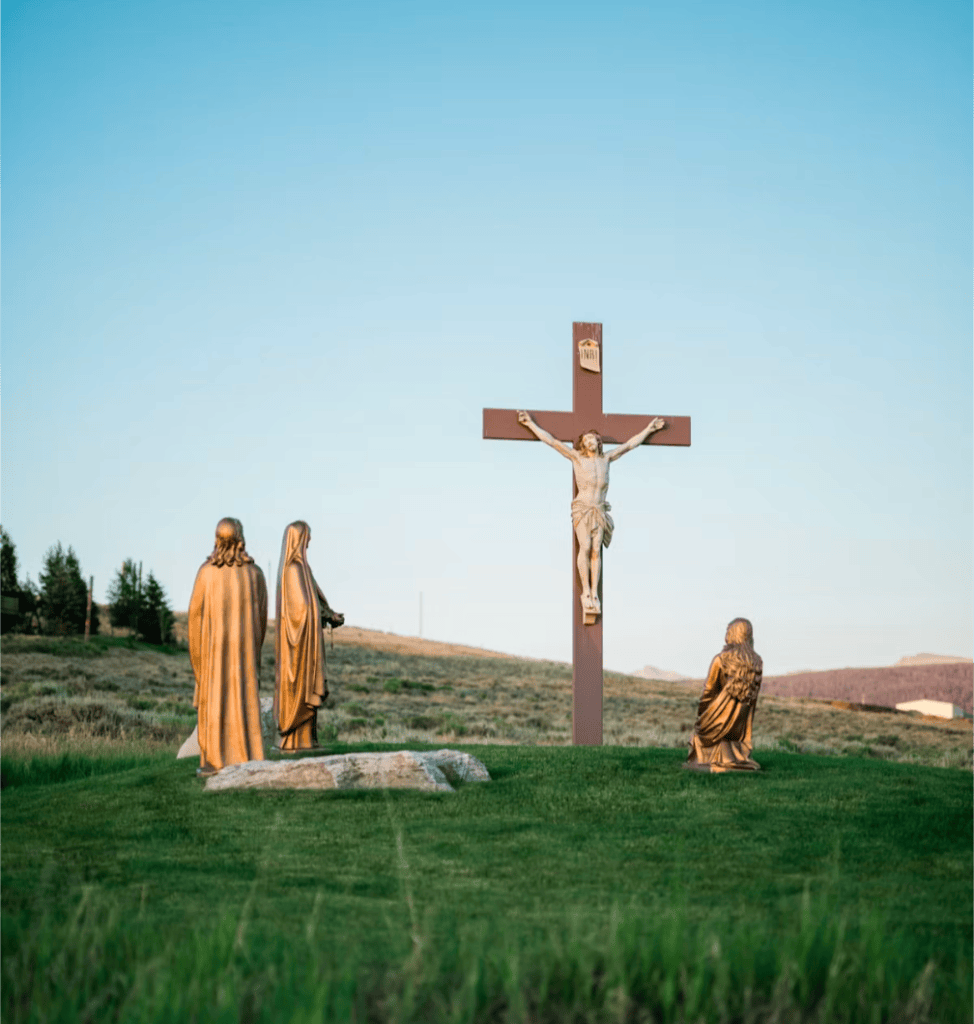
And Then We Reach the Cross
This is where the idea that Jesus rescued us from the angry Old Testament God completely collapses. Because who sent Jesus?
“For God so loved the world, that he gave his only Son…” (John 3:16)
The cross isn’t Jesus convincing an unwilling Father to love us. The cross is the love of God revealed.
Paul writes: “God shows his love for us in that while we were still sinners, Christ died for us.” (Romans 5:8)
At the cross, Christianity doesn’t pretend judgment doesn’t matter. Jesus is crucified. Sin is serious. Justice is serious. And mercy is unbelievably costly.
The same God whose judgment troubles us in the Old Testament is the God who enters human history and bears suffering Himself. God doesn’t remain safely distant from pain.
In Jesus, He is betrayed. Mocked. Beaten. Rejected. Nailed to a cross. And killed.
The Christian answer to divine judgment isn’t: “God doesn’t really care that much about evil.” It’s: God cares so deeply about evil that dealing with it costs Him dearly.
But Did the Father Punish an Innocent Third Party?
This objection deserves attention. Sometimes the cross is described in a way that sounds like this:
Humanity sinned. God was angry. So He found an innocent person named Jesus and punished Him instead.
If that’s Christianity, the moral problem hasn’t exactly improved. 😅
But that’s not the Christian claim. Jesus isn’t an unrelated third party. Christianity teaches that the Son is God.
“The Word was God.” (John 1:1)
And: “The Word became flesh…” (John 1:14)
Paul writes: “In Christ God was reconciling the world to himself…” (2 Corinthians 5:19)
God isn’t grabbing some random innocent victim. God Himself is acting to reconcile humanity to Himself.
Jesus willingly gives His life.
He says: “No one takes it from me, but I lay it down of my own accord.” (John 10:18)
Whatever theological model we use to explain everything happening at the cross, we cannot separate it from God’s self-giving love.
Does the Cross Make the Old Testament Easy?
No. I don’t think it’s supposed to.
I can understand that God is holy. I can understand that evil deserves judgment. I can understand ancient historical context. I can recognize ancient warfare rhetoric. I can understand that God waited generations before judging certain nations. I can know that Israel itself was judged by the same moral standard. And I can still read about children dying and feel disturbed.
Those things can coexist. There is a difference between saying: “I don’t understand everything God did.” and saying: “Therefore God must have acted unjustly.”
The second conclusion assumes I possess enough knowledge to judge every circumstance perfectly. I don’t. That doesn’t mean we shut off our moral reasoning.
Actually, Abraham’s question: “Shall not the Judge of all the earth do what is just?” (Genesis 18:25) shows that Scripture itself invites us to think about God’s justice.
But Abraham’s question is ultimately rhetorical. He trusts that the Judge of all the earth will do what is right. And Christianity asks us to place that trust not in an abstract deity whose character we know nothing about… But in the God revealed in Jesus Christ.
What About Christians Who Have Used These Passages to Justify Violence?
We need to talk about this too. Because biblical passages about conquest have sometimes been misused to justify violence, colonialism, racism, and oppression. And Christians shouldn’t pretend that history doesn’t exist.
But ancient Israel’s conquest of Canaan isn’t a blank check for Christians to declare whoever they dislike “Canaanites” and attack them.
Israel’s situation was specific. The church has not been commanded to conquer nations geographically.
Jesus tells Peter: “Put your sword back into its place.” (Matthew 26:52)
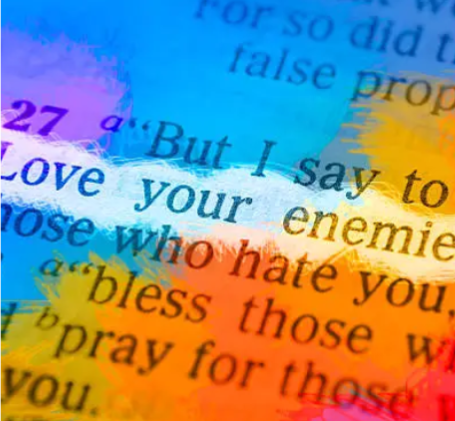
Jesus tells His followers to love their enemies and pray for those who persecute them (Matthew 5:44).
And the Great Commission sends Christians into nations not to destroy them… But to make disciples. The weapons of the church aren’t military conquest.
Paul writes: “For the weapons of our warfare are not of the flesh…” (2 Corinthians 10:4)
Using Joshua to justify personal, political, racial, or national violence today profoundly misunderstands the role of the church.
The Old Testament Isn’t Embarrassed by Mercy
After spending so much time on judgment, I want to return to something we established at the beginning. Because if we only remember the violent passages, we’ll still leave with a distorted picture.
The Old Testament tells us God:
Hears slaves crying in Egypt.
Defends widows and orphans.
Commands generosity toward the poor.
Welcomes foreigners who join His people.
Forgives Israel repeatedly.
Sends prophets instead of immediately judging.
Spares Nineveh when its people repent.
Spares Rahab.
Forgives David after horrific sin, while still allowing consequences.
Restores people after exile.
Promises a coming Redeemer.
And describes Himself as: “…merciful and gracious, slow to anger, and abounding in steadfast love and faithfulness.” (Exodus 34:6)
The Old Testament isn’t the embarrassing part of the Bible Christians need to apologize for until Jesus arrives. It’s the beginning of the same story.
Creation.
Rebellion.
Judgment.
Mercy.
Covenant.
Promise.
Redemption.
And eventually…
Jesus.
And the New Testament Isn’t Embarrassed by Judgment
The reverse matters too. Jesus doesn’t erase judgment. He warns about it. The apostles warn about it. Revelation ends with evil finally defeated.
And honestly? That’s part of the Christian hope.
Imagine telling someone whose life has been devastated by evil: “Don’t worry. God loves everyone, so none of this will ever be judged.”
That’s not necessarily comforting. Christian hope says evil doesn’t get the final word.
Every injustice matters. Every hidden act matters. Every victim matters. God sees. And one day He will make things right.
The frightening part is that God’s justice applies to us, too. Which is exactly why grace matters.

The Question Behind the Question
Maybe when someone asks: “Why does God seem so harsh in the Old Testament?” the deeper question is: “Can I trust a God who judges?”
Can I trust Him when I don’t understand His decisions? Can I believe He is good when some passages make me uncomfortable? Can justice and love really belong to the same God?
And I think Christianity’s answer is found most clearly in Jesus. If I want to know what God is like… I look at Christ.
Jesus says: “Whoever has seen me has seen the Father.” (John 14:9)
And what do I see?
Perfect holiness.
Compassion.
Truth.
Anger toward hypocrisy and exploitation.
Tenderness toward the broken.
Mercy toward sinners.
Justice.
Forgiveness.
Sacrificial love.
I don’t find a God who doesn’t care about evil. I find a God who hates evil… And loves sinners enough to die for them.
My Takeaway
Some Old Testament passages still make me uncomfortable. And I think I’m okay saying that. I don’t want to become the kind of Christian who reads about enormous loss of life and feels nothing because I know the “correct theological answer.”
Human death should affect us. Jesus wept at a grave. But discomfort isn’t necessarily disbelief.
Sometimes discomfort makes me dig deeper. It makes me ask what was happening historically. It makes me examine the surrounding passage. It makes me question assumptions I’ve brought to the text.
And sometimes… I still don’t have every answer I want. But here’s what I keep coming back to: I know more about God’s character because of Jesus.
When I encounter something I don’t understand, I don’t have to pretend the question isn’t there. I can bring it to Him. I can study. I can wrestle. I can say: “God, I don’t understand this.” and still trust Him.
Faith isn’t pretending difficult questions don’t exist. Sometimes faith is trusting God’s character while continuing to ask them.

Questions to Reflect On
– Have you ever struggled with God’s actions in the Old Testament? Which passages have been hardest for you?
– Do you tend to think of God’s love and God’s judgment as opposites? Why?
– How does the Old Testament’s repeated description of God as “merciful and gracious, slow to anger” affect the way you read its judgment passages?
– When you ask God to stop evil, have you considered that you’re also asking for divine judgment?
– How does the cross change the way you understand God’s justice and mercy?
– Are you comfortable telling God when something in Scripture troubles you, or do you feel like faith means you’re not supposed to ask?
– When you encounter a difficult passage, are you willing to study its context before deciding what it says about God’s character?
There are easier ways I could have answered this question. I could have said: “God is God. He can do whatever He wants.” Technically, God’s authority as Creator matters enormously.
But I don’t think that response does justice to the person asking whether God is good. I could have said: “Those people were evil. They deserved it.” But that becomes frighteningly easy to say when we’re talking about people who lived thousands of years ago. And it ignores the uncomfortable truth that Scripture calls me a sinner too.
Or I could simply avoid the difficult passages entirely. But then this wouldn’t really be Questions Worth Asking, would it? 😅 So where do I land?
I believe the God of the Old Testament is the same God revealed in Jesus Christ. He is holy enough to judge evil. Patient enough to warn. Merciful enough to forgive. Just enough that evil will never ultimately escape Him. And loving enough to step into His own creation to rescue sinners.
I won’t pretend I understand every judgment recorded in Scripture. I don’t. But when I reach the limits of my understanding, I look at the cross.
Because Christianity ultimately asks me to trust God’s character. And at the cross I see a God who doesn’t watch suffering from a safe distance.
I see a God who enters it. A God who bears wounds. A God who gives Himself for His enemies. A God whose justice is real… And whose mercy is greater than I could ever deserve.
The Old Testament God didn’t disappear when Jesus arrived. He came near.
~~*~~
Father,
There are parts of Your Word that are difficult for us to understand. Sometimes Your judgments trouble us. Sometimes we struggle to reconcile Your holiness with Your mercy, Your justice with Your love, and Your sovereignty with the suffering we see in Scripture and in our world.
Give us the courage to ask difficult questions without running from You. Give us humility when we don’t have every answer. Help us never minimize evil simply to make a difficult passage easier to explain. But also keep us from judging Your character before we’ve taken the time to understand what Your Word actually says.
Thank You for being merciful and gracious, slow to anger, and abounding in steadfast love. Thank You for caring about injustice. Thank You that evil will not have the final word. And thank You most of all for Jesus.
When we struggle to understand You, bring us back to Him. Remind us that the God who judges evil is also the God who entered our world to save sinners. That You didn’t remain distant from our suffering, but came near.
Teach us to trust Your character even when we don’t understand all Your ways. Make us people who love justice, extend mercy, defend the vulnerable, forgive as we’ve been forgiven, and point others toward Christ.
And when difficult questions remain… Keep us close enough to You to keep asking.
In Jesus’ precious name,
Amen.
Questions Worth Asking Series
Next Question: Why Doesn’t God Answer Every Prayer?
We pray for healing. For relationships to be restored. For doors to open. For suffering to end.
Sometimes the answer seems unmistakable. And sometimes… Nothing happens. So if God hears us, loves us, and has the power to answer, why does He sometimes seem silent?
What do we do when we pray faithfully and the answer is still no, not yet… or nothing we can understand? That’s the question we’re tackling next.
Come back next Saturday!

