
If God Knows Everything, Do We Really Have Free Will?
“If God already knows every choice I’m going to make… am I actually choosing anything?”
This is one of those questions that can make your brain hurt if you think about it long enough.
Christianity teaches that God knows everything. Not most things. Not everything that has happened so far. Everything.
Past. Present. Future.
David writes: “Even before a word is on my tongue, behold, O Lord, you know it altogether.” (Psalm 139:4)
Isaiah describes God as the One who declares “the end from the beginning.” (Isaiah 46:10)
Jesus even tells His disciples that God knows something as insignificant as when a sparrow falls to the ground and that “even the hairs of your head are all numbered.” (Matthew 10:29–30)
So Christians believe God’s knowledge is complete. And that’s where the problem begins. Because the Bible also treats our choices as real.
God tells people to choose. He commands us to repent. He holds us responsible for our actions. Jesus invites people to follow Him, and throughout Scripture, some people accept God’s invitation while others reject Him.
So… If God already knows what I’ll choose tomorrow, can I actually choose something different? If He already knows I’ll order a burrito for lunch tomorrow, could I decide to get a sandwich instead?
Because if I get the sandwich, wouldn’t that mean God was wrong? But God can’t be wrong. So apparently I’m getting the burrito… And suddenly we’re wondering whether we’re actually free at all.
That’s a question worth asking.
First… What Do We Mean by “Free Will”?
Before we go any further, we need to define something. When people say “free will,” they don’t always mean the same thing.
Sometimes we mean:
“Nobody forced me to make this decision.”
If I choose chocolate instead of vanilla because I genuinely wanted chocolate, we normally call that a free choice. But sometimes people mean something stronger:
“At the exact moment I made my choice, I genuinely could have chosen otherwise.”
And that distinction becomes incredibly important when we start talking about God’s foreknowledge. Because Christians don’t all explain human freedom in exactly the same way.
Some Christians believe genuine freedom requires the ability to choose between alternative possibilities. Others believe we’re free when we act according to our own desires, even if those desires and choices exist within God’s sovereign plan. Those positions are often discussed under terms such as libertarian free will and compatibilism.
And yes… We’re going there. Because this question gets tangled very quickly if we pretend every Christian means exactly the same thing by “free will.”
Knowing Isn’t the Same as Causing
Here’s the first distinction we need to make. Knowing that something will happen isn’t necessarily the same thing as causing it to happen.
Imagine you’re watching a recording of a football game you’ve already seen. You know exactly what’s about to happen. You know which player will score. You know which passes will be intercepted. You even know the final score.
But your knowledge doesn’t cause the players on the screen to make those decisions. They made those choices themselves.
Now, that analogy isn’t perfect. We’re watching something that already happened, while God’s knowledge isn’t simply Him watching a recording of history. But it illustrates an important point:
Knowledge and causation aren’t the same thing.
If God knows that tomorrow I’ll choose the burrito, His knowledge doesn’t necessarily mean He forced me to choose it. Perhaps the better way of saying it is this:
I don’t choose the burrito because God knows it. God knows it because that’s what I freely choose.

But Wait…
There’s still a problem. Because someone could reasonably respond:
“Okay, God’s knowledge didn’t cause my decision. But if God has always known with perfect certainty that I’ll choose the burrito, then isn’t choosing anything else impossible?”
Yep. That’s where this gets harder. Suppose God has eternally known:
Amanda will choose the burrito on Tuesday.
God cannot be mistaken. Therefore, when Tuesday arrives, I will choose the burrito. If I chose the sandwich instead, then God’s previous knowledge would have been wrong.
And if God’s knowledge cannot be wrong… In what sense could I really have chosen otherwise?
Philosophers have been arguing about versions of this problem for centuries. So if your brain is already going, “WAIT…” you’re in very good company.
The Christian answer can’t simply be, “God knows, but you’re free. Don’t think about it too hard.” if we’re going to ask the question, we should actually wrestle with it.
God Doesn’t Experience Time Like We Do
One possibility Christians have historically considered involves God’s relationship with time.
We experience time sequentially. Yesterday happened. Today is happening. Tomorrow hasn’t happened yet. We move through moments one after another.
But if God created the universe, including the physical reality in which time exists, perhaps God doesn’t experience time exactly as we do.
Psalm 90 says: “For a thousand years in your sight are but as yesterday when it is past, or as a watch in the night.” (Psalm 90:4)
And Peter echoes that thought:
“With the Lord one day is as a thousand years, and a thousand years as one day.” (2 Peter 3:8)
These verses aren’t giving us a physics lesson about God’s relationship to time. But they do remind us that God’s perspective isn’t ours.
Many Christian thinkers have therefore argued that God doesn’t merely predict the future. He sees all of history from an eternal perspective.
Imagine an author holding an entire completed novel. The characters experience page 10 before page 200. But the author can see the beginning, middle, and ending of the story.
Again, no analogy captures God perfectly. But perhaps God’s knowledge of tomorrow isn’t equivalent to God sitting in today and making an incredibly accurate prediction. Tomorrow is simply known to Him.

Does That Solve the Problem?
Not completely. And I don’t want to pretend it does. Even if God sees all moments of history, we’re still left asking:
If my future choice is eternally and infallibly known, could I genuinely have done otherwise?
Different Christian traditions answer that differently. Some say yes. God’s knowledge corresponds perfectly to the free choices we make without determining them. Others argue that God’s sovereignty extends even over human decisions, yet we’re still responsible because we act according to what we genuinely desire.
Still others have developed more complicated explanations for how divine foreknowledge and human freedom fit together. We’ll get into those. But before we do, there’s something important we need to establish from Scripture.
The Bible doesn’t seem embarrassed to affirm both God’s sovereignty and human responsibility. Sometimes… In the exact same event. And nowhere is that clearer than at the cross.
The Cross: Planned by God, Chosen by People
Peter says something astonishing while preaching about Jesus:
“This Jesus, delivered up according to the definite plan and foreknowledge of God, you crucified and killed by the hands of lawless men.” (Acts 2:23)
Read those two ideas together. Jesus’ death happened according to God’s plan and foreknowledge. And yet Peter says:
“You crucified and killed Him.”
The people involved weren’t treated like puppets. Judas betrayed Jesus. Religious leaders plotted against Him. Pilate sentenced Him. Roman soldiers crucified Him.
They made real decisions, and Scripture holds them responsible for those decisions. Yet somehow… Those decisions occurred within God’s sovereign plan. Later, Christians prayed:
“For truly in this city there were gathered together against your holy servant Jesus… both Herod and Pontius Pilate, along with the Gentiles and the peoples of Israel, to do whatever your hand and your plan had predestined to take place.” (Acts 4:27–28)
That’s fascinating. Human beings acted. God’s plan was accomplished. And Scripture doesn’t seem to believe one cancels out the other.
So far we’ve established something important.
God knowing a choice isn’t automatically the same as God causing that choice. But that doesn’t make the problem disappear.
If God’s knowledge is perfect… If His plans cannot fail… And if Scripture still holds human beings responsible for what they choose… How exactly do God’s sovereignty and our freedom fit together?
And this is where Christians start giving very different answers.
Calvinists.
Arminians.
Molinists.
Compatibilists.
Libertarian free will.
Predestination.
Election.
Yeah. We’re opening that box next.

Okay. We opened the box. 😂 If you’ve spent much time around Christianity, you’ve probably heard words like:
Predestination.
Election.
Calvinism.
Arminianism.
Free will.
And depending on which church you grew up in, you may have been taught one particular answer as though Christians have never disagreed about any of this.
They have. A lot. But before we start throwing theological labels around, I want to establish something important.
These are disagreements within Christianity. Christians who love Jesus, believe the Bible is God’s Word, believe salvation is entirely dependent upon God’s grace, and take God’s sovereignty seriously have reached different conclusions about exactly how God’s sovereignty and human freedom fit together.
So I’m not interested in declaring one group the “real Christians” and everyone else wrong. I want to understand what Scripture says, where the tension comes from, and why faithful Christians have interpreted these passages differently. Because the tension is definitely there.
The Bible Really Does Talk About Predestination
Sometimes Christians become uncomfortable with the word predestination. But we can’t simply avoid it. It’s in the Bible.
Paul writes: “For those whom he foreknew he also predestined to be conformed to the image of his Son…” (Romans 8:29)
And in Ephesians: “He predestined us for adoption to himself as sons through Jesus Christ, according to the purpose of his will.” (Ephesians 1:5)
A few verses later, Paul says believers have been: “…predestined according to the purpose of him who works all things according to the counsel of his will.” (Ephesians 1:11)
Those are strong statements. God isn’t portrayed as nervously watching history unfold and hoping everything works out.
He has purposes. He has plans. He is sovereign. But Scripture also speaks as though human choices genuinely matter.
Joshua tells Israel: “Choose this day whom you will serve…” (Joshua 24:15)
Jesus laments over Jerusalem: “How often would I have gathered your children together as a hen gathers her brood under her wings, and you were not willing!” (Matthew 23:37)
And Scripture repeatedly calls people to repent, believe, obey, turn, follow, and choose. So whatever conclusion we reach has to take both sets of passages seriously. We can’t erase God’s sovereignty to protect human freedom. And we can’t erase human responsibility to protect God’s sovereignty.

Calvinism: God Is Sovereign Even Over Salvation
One major Christian approach is commonly associated with Reformed theology or Calvinism.
There is much more to Calvinism than I could possibly cover here, but regarding salvation, Calvinists emphasize God’s sovereign initiative. Because humanity is fallen in sin, we don’t naturally seek God apart from His grace.
Paul writes: “No one seeks for God.” (Romans 3:11)
And Jesus says: “No one can come to me unless the Father who sent me draws him.” (John 6:44)
Calvinists therefore emphasize that salvation begins with God, not us.
God chooses.
God calls.
God gives new life.
God saves.
From this perspective, God’s election isn’t ultimately based upon Him looking into the future and discovering who will choose Him. His saving choice rests in His own gracious will. And when it comes to human freedom, many Calvinists hold a view called compatibilism.
Compatibilism argues that God’s sovereignty and meaningful human choice can both be true. We’re responsible because we genuinely act according to our own desires.
No one drags Judas kicking and screaming into betraying Jesus. Judas does what Judas wants to do. Yet somehow his decision still occurs within God’s sovereign plan.
The mystery isn’t necessarily whether humans choose. We do. The question is how those choices relate to God’s sovereign purposes.
Arminianism: Grace Makes a Genuine Response Possible
Another historic Christian approach is commonly called Arminianism.
Arminians agree that human beings cannot save themselves. Salvation is still entirely dependent upon God’s grace. But they understand God’s grace and human response somewhat differently.
Many Arminians believe God gives enabling, or prevenient, grace, allowing fallen people genuinely to respond to the gospel.
God initiates.
God draws.
God offers salvation.
But His grace can be resisted.
This understanding emphasizes passages where God calls people to respond and passages expressing His desire for people to be saved.
Paul writes that God: “…desires all people to be saved and to come to the knowledge of the truth.” (1 Timothy 2:4)
And Peter writes that God is: “…not wishing that any should perish, but that all should reach repentance.” (2 Peter 3:9)
From this perspective, God’s foreknowledge doesn’t force someone’s decision. God perfectly knows who will freely respond to His grace, but His knowing their response isn’t what causes it.
Arminians therefore generally affirm a stronger form of freedom in which a person could genuinely respond differently. Again, salvation isn’t earned. Even the possibility of responding exists because God graciously acts first.

And Then There’s Molinism…
Because apparently two explanations weren’t enough…
Molinism takes its name from the sixteenth-century theologian Luis de Molina. Its central idea involves something often called middle knowledge.
The basic idea goes like this: God doesn’t merely know everything that will happen.
He also knows everything that could happen.
And, according to Molinism, God knows what every genuinely free creature would choose in any possible circumstance.
So imagine two possible versions of tomorrow. In one situation, I’m offered a burrito and a sandwich. God knows which one I would freely choose. But He would also know what I would choose if the circumstances were completely different.
Multiply that across every person, every decision, every circumstance, and every possible history. Yeah. My brain hurts too.
Molinists argue that God could sovereignly choose to create a world in which He knows how free creatures will act, allowing His purposes to be accomplished through choices He knows they will freely make.
One biblical passage Molinists sometimes point toward is Matthew 11. Jesus says that if the miracles performed in certain cities had been performed in Tyre and Sidon:
“…they would have repented long ago in sackcloth and ashes.” (Matthew 11:21)
Jesus appears to know not only what happened, but what would have happened under different circumstances. Whether that establishes the entire Molinist system is another question. But it’s one reason some Christian philosophers have found the idea compelling.
So Which One Is Right?
I know. You were hoping I’d tell you. But I don’t think it would be responsible for me to pretend Christians have solved this question beyond dispute. Each view is trying to protect biblical truths that really matter.
Calvinists emphasize God’s absolute sovereignty and the fact that salvation is entirely the work of grace. Arminians emphasize God’s universal invitation and the meaningful reality of human response. Molinists attempt to explain how meticulous divine providence could coexist with libertarian human freedom.
And there are variations within every camp. There are also Christians whose views don’t fit neatly into any of these categories.
Personally, I think this is one of those subjects where humility is incredibly important. There are things God has revealed clearly.
God is sovereign. Human beings make meaningful choices. We are responsible for those choices. Salvation is by grace. God knows the end from the beginning. God’s purposes will ultimately succeed.
Exactly how all of those truths fit together? Christians are still arguing about that part. And maybe we should be comfortable admitting that an infinite God’s relationship with time, knowledge, providence, and human agency might contain things finite human beings struggle fully to comprehend.

But If God Knows Who Will Reject Him… Why Create Them?
Now we’ve reached the painful version of this question.
Forget burritos. This is where it matters. If God knew before creating someone that they would ultimately reject Him… Why create them at all?
Why create a person God already knows will choose evil? Why create someone He knows will never accept salvation? Those questions become especially difficult when we remember that Christianity teaches our choices have eternal significance.
And Scripture doesn’t give us a neat philosophical explanation answering every part of this question. So we shouldn’t invent one. But there are some things we can say.
First, God’s foreknowledge of someone’s choices doesn’t necessarily mean He approves of those choices.
God knew Judas would betray Jesus. That doesn’t mean God approved of betrayal. God knew human beings would commit murder, abuse, oppression, and countless other evils. That doesn’t make those things good. Scripture repeatedly shows God opposing evil even while knowing it will occur.
Second, Scripture consistently presents human existence itself as a good gift.
Paul says God: “…gives to all mankind life and breath and everything.” (Acts 17:25)
God’s decision to create a world containing genuinely significant creatures means our actions actually matter.
Our love matters. Our obedience matters. Our rebellion matters. Our relationships matter. Our choices have consequences.
A world containing meaningful human beings isn’t the same thing as a world populated by programmed characters incapable of genuine response.
But I also don’t want to repeat the simplistic argument that free will alone explains everything. Because the question remains:
Why this world, when God knew exactly what would happen within it?
Ultimately, Christianity answers that question not by giving us access to every reason in God’s mind, but by showing us where history is going.
God is working toward redemption. Toward judgment over evil. Toward the restoration of creation. Toward a people reconciled to Him through Christ.
And somehow, even human rebellion cannot prevent that purpose.
Which Brings Us Back to a Tree…
You knew Adam and Eve were coming. If God knew they would eat from the tree… Why put it there? Why create the possibility of rebellion at all?
Genesis tells us God placed Adam in the garden and commanded him:
“You may surely eat of every tree of the garden, but of the tree of the knowledge of good and evil you shall not eat…” (Genesis 2:16–17)
There was a genuine command. There was a boundary. And there was a possibility of disobedience.
God knew what would happen. Yet He created humanity anyway. Why?
Scripture doesn’t give us a verse saying: “Here are God’s five reasons for putting the tree in Eden.” So we need to be careful.
But the tree does show us something important. Human beings weren’t created merely to behave automatically. Adam and Eve were creatures accountable to their Creator.
They could trust God’s definition of good and evil… Or seize moral autonomy for themselves. And they chose the latter.
Their sin wasn’t ultimately about fruit. It was about trust. Will I trust God to define what is good, or will I decide that for myself? That’s a question humanity has been repeating ever since.

Did God Create Humanity Knowing the Cross Would Be Necessary?
Yes.
The cross wasn’t God’s emergency backup plan after Eden went wrong. The New Testament describes God’s plan of redemption as something rooted in His eternal purpose.
Peter says Christ: “…was foreknown before the foundation of the world but was made manifest in the last times for the sake of you.” (1 Peter 1:20)
And Revelation describes Christ as the Lamb whose saving work stands at the center of God’s redemptive plan.
Before humanity ever fell… God wasn’t surprised. Before Adam hid among the trees… God knew. Before Judas betrayed Jesus… God knew. Before the nails pierced Christ’s hands… God knew.
And He created anyway. That’s staggering to me. Because God’s foreknowledge doesn’t merely mean He knew humanity would rebel. It means He knew what our redemption would cost Him.
And He created us anyway.
Does That Mean God Wanted Sin to Happen?
We need to be extremely careful here. Scripture never gives us permission to call evil good.
James says: “God cannot be tempted with evil, and he himself tempts no one.” (James 1:13)
God hates evil. He commands against it. He judges it. Yet Scripture also shows God accomplishing His purposes even through actions He condemns.
Joseph’s brothers sold him into slavery. Joseph later tells them:
“As for you, you meant evil against me, but God meant it for good…” (Genesis 50:20)
One event. Human evil. Divine purpose. And again, the greatest example is the cross.
The crucifixion of Jesus was an act of horrific human injustice. Yet it became the means through which God brought salvation.
Christianity therefore doesn’t teach that evil somehow escapes God’s sovereignty. Nor does it teach that God’s sovereignty makes evil morally good.
Somehow… God remains sovereign. Humans remain responsible. Evil remains evil. And God is powerful enough to redeem what human beings intend for destruction.

Maybe We’re Asking the Wrong Question About Freedom
Sometimes we imagine freedom means: “I should be able to do absolutely anything I want.” But Scripture gives us a very different picture.
Jesus says: “Everyone who practices sin is a slave to sin.” (John 8:34)
That’s interesting.
According to Jesus, doing whatever our sinful desires tell us isn’t ultimate freedom. It can actually be slavery.
Paul similarly describes believers as having been “set free from sin” to become servants of righteousness (Romans 6:18).
Biblical freedom isn’t merely having unlimited options. It’s being liberated to become what God created us to be.
Think about a fish. A fish is “restricted” to water. Throwing it onto the sidewalk doesn’t give it greater freedom. It kills it. Its boundaries aren’t the enemy of its flourishing. They’re part of what it was created for.
Maybe human freedom works similarly. God’s commands aren’t arbitrary restrictions designed to ruin our fun. They’re boundaries given by the One who knows what human beings were made for. Real freedom isn’t independence from God. It’s becoming free to live as we were created to live.
Before We Continue…
So where does that leave us?
God knows every choice. God is sovereign over history. Human beings still make meaningful decisions. Scripture still holds us responsible.
Christians disagree about exactly how those truths fit together. And perhaps the biggest mistake we could make is becoming so fascinated by predestination that we forget what Scripture actually tells us to do.
Because the Bible never says: “Figure out the precise philosophical relationship between divine foreknowledge and human freedom, and then you may follow Jesus.”
It says: Repent. Believe. Follow. Choose whom you will serve.
So maybe the most important question isn’t:
“Do I understand exactly how God’s foreknowledge works?”
Maybe it’s:
“What am I going to do with the choice in front of me?”
And that’s where we’ll finish this.

So… What Does Any of This Mean for Me?
If you’ve made it this far, congratulations. You survived predestination. 😂
We’ve talked about God’s foreknowledge. Human freedom. Calvinism. Arminianism. Molinism. Adam and Eve. The Fall. God’s sovereignty. And somehow… Burritos. 🌯😂
But after all the theology and philosophy, there’s a danger.
We can spend so much time asking how God’s sovereignty and human choices fit together that we forget Scripture consistently treats our choices as meaningful.
Whatever God’s knowledge of tomorrow means… Today still matters. The words you speak matter. The way you treat people matters. Whether you forgive matters. Whether you obey God matters. Whether you repent matters. Whether you follow Christ matters.
The Bible never treats human beings like characters helplessly reading lines from a script. It speaks to us as people who are responsible for how we respond to God.
If God Already Knows What I’ll Do, Why Does My Choice Matter?
Maybe you’re still thinking: “If God already knows what I’m going to choose… doesn’t that make my decision meaningless?”
No. Knowing the outcome doesn’t make the decision unreal.
Suppose God knows you’ll forgive someone tomorrow. You still have to forgive them. God’s knowledge doesn’t perform the act of forgiveness for you. Suppose God knows you’ll tell a lie. You’re still the person who chooses to speak those words. Suppose God knows you’ll respond to the gospel. You’re still the person who repents and believes.
Throughout Scripture, God addresses people as genuine moral agents.
Moses told Israel: “I have set before you life and death, blessing and curse. Therefore choose life…” (Deuteronomy 30:19)
Joshua said: “Choose this day whom you will serve…” (Joshua 24:15)
Jesus said: “Come to me, all who labor and are heavy laden, and I will give you rest.” (Matthew 11:28)
Those invitations aren’t presented as meaningless theater. Our choices occur within a world completely known by God. But they’re still our choices.

Does God’s Plan Mean Everything Is Just a Script?
This is where words like “God’s plan” can sometimes create confusion. Christians say things like:
“Everything happens for a reason.”
“It was meant to be.”
“God planned everything.”
But Scripture gives us a more complicated picture than those phrases sometimes suggest.
There are things God commands. And people disobey Him. There are things God loves. And people do things He hates. There are actions Scripture explicitly calls evil.
God’s sovereignty doesn’t mean we should look at every horrific event and casually say: “Well, God wanted that to happen.” That’s not language we should use carelessly.
Scripture distinguishes between what God morally desires and what He permits within His sovereign purposes. God can allow something He hates without morally approving of it. And somehow, He remains powerful enough to accomplish His purposes even through human rebellion.
That’s what we saw with Joseph.
“You meant evil against me, but God meant it for good…” (Genesis 50:20)
And it’s what we see most clearly at the cross. Human beings committed evil. God brought redemption through it. That doesn’t turn evil into good. It shows that evil is never powerful enough to overthrow God.
If God Knows Everything… Why Pray?
Okay. Here’s another brain-bender. 😂 If God already knows everything… Why tell Him anything?
Jesus Himself says: “Your Father knows what you need before you ask him.” (Matthew 6:8)
So… Why pray? If God already knows what I need, why ask? If He already knows what He’s going to do, can my prayer actually change anything?
The interesting thing is that immediately after Jesus tells His disciples that the Father already knows what they need… He teaches them to pray.
“Our Father in heaven, hallowed be your name…” (Matthew 6:9)
Apparently, God’s knowledge isn’t a reason not to pray. Because prayer was never about giving God information He didn’t have.
When you pray: “God, I’m scared.” He already knows. “God, I need help.” He knows. “God, I’m angry.” He knows that too.
Prayer isn’t updating God’s database. Prayer is relationship. It’s bringing our needs, gratitude, fears, sins, desires, questions, and worship before our Father.
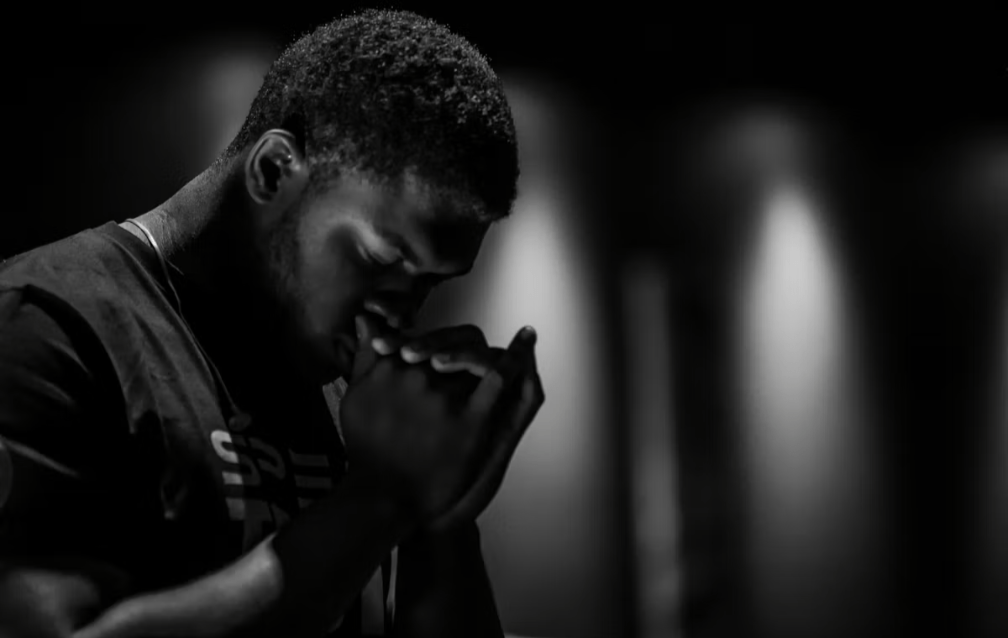
But Can Prayer Actually Change What Happens?
Scripture certainly treats prayer as consequential. James writes:
“The prayer of a righteous person has great power as it is working.” (James 5:16)
Paul repeatedly asks Christians to pray for him. Jesus tells His followers to ask God for what they need. The early church prays, and things happen.
So Christians shouldn’t conclude: “God already knows everything, therefore prayer accomplishes nothing.” Instead, perhaps prayer itself is one of the means God uses to accomplish His purposes.
Think about it. If God knows the future, He doesn’t merely know the result. He knows everything leading to it. He knows that someone prayed. He knows that someone responded. He knows every action and every circumstance involved.
We sometimes imagine God’s plan as though He decides an outcome and everything between now and then is irrelevant. But Scripture often portrays God accomplishing His purposes through human actions. That includes prayer.
Maybe God has chosen to accomplish something precisely through the prayer He already knew you would pray.
God’s foreknowledge doesn’t make prayer meaningless. It means your prayer was never absent from His knowledge in the first place.
Then Why Evangelize?
This question comes up for similar reasons. If God already knows who will be saved… Why tell anyone about Jesus?
Paul gives us an interesting answer. He writes:
“How are they to believe in him of whom they have never heard? And how are they to hear without someone preaching?” (Romans 10:14)
God knows who will believe. And God commands Christians to share the gospel. Again, God’s sovereignty doesn’t eliminate human participation.
God uses people.
He uses conversations.
He uses missionaries.
He uses churches.
He uses parents.
He uses friends.
He uses someone stumbling across a blog post on the internet. 👀
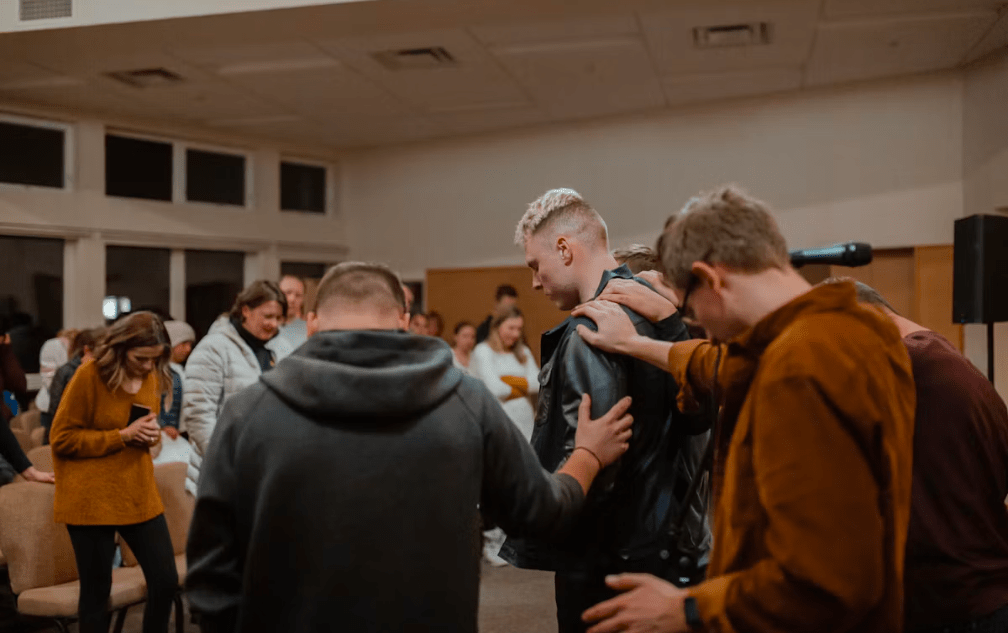
We don’t know whom God will save. We aren’t given access to some heavenly list of the elect. We’re given a command: Go.
Jesus said: “Go therefore and make disciples of all nations…” (Matthew 28:19)
So we go. We love. We tell people about Christ. And we trust the results to God.
What About People Who Say, “If I’m Predestined, It Doesn’t Matter What I Do”?
That’s not how Scripture treats predestination. Paul never says: “God is sovereign, so your choices don’t matter.” Actually, he does almost the opposite.
In Philippians, Paul puts two statements side by side that we might expect him to separate. He tells Christians:
“…work out your own salvation with fear and trembling…” And then immediately explains: “…for it is God who works in you, both to will and to work for his good pleasure.” (Philippians 2:12–13)
Did you catch that? You work. God works in you.
Paul apparently doesn’t think those statements contradict each other. God’s work doesn’t make ours meaningless. Our work doesn’t make God less sovereign. Somehow, both are true.
And maybe that’s something we need to become more comfortable with. The Bible sometimes gives us truths that fit neatly into categories. And sometimes it gives us two truths and refuses to satisfy our demand to know exactly how they fit together.
Mystery Isn’t the Same as Contradiction
This distinction matters. Saying: “I don’t completely understand how these two things fit together” isn’t the same as saying: “These two things contradict each other.”
There are plenty of things we know are real without fully understanding how they work. Consciousness is real. But we still have enormous questions about how subjective experience arises. Time is real. And philosophers and physicists still wrestle with what time ultimately is.
Reality doesn’t stop being real because our understanding is incomplete. So when Christianity says: God knows everything. God is sovereign. Human beings make meaningful choices. Human beings are morally responsible. We may not possess a philosophical model that satisfies every possible question about how those truths relate.
That doesn’t automatically make them contradictory. It means we should be humble about how much finite minds can understand about an infinite God.
Paul writes: “Oh, the depth of the riches and wisdom and knowledge of God! How unsearchable are his judgments and how inscrutable his ways!” (Romans 11:33)
Sometimes “I don’t completely know” is the most biblically faithful answer we can give.

God’s Foreknowledge Doesn’t Make You a Puppet
Maybe this is what you’ve been worried about throughout this entire blog.
If God knows your whole story… Are you merely acting it out? I don’t think Scripture gives us that picture. God knows you completely.
David writes: “O Lord, you have searched me and known me!” (Psalm 139:1)
He knows your thoughts.
Your words.
Your days.
Your failures.
Your fears.
And yes… Every decision you will ever make.
But the God who knows your story also speaks to you within it.
He calls.
He warns.
He corrects.
He invites.
He commands.
He comforts.
He disciplines.
He forgives.
He asks you to follow.
And Scripture treats your response as meaningful.
Perhaps God’s complete knowledge of you shouldn’t primarily make you feel trapped. Maybe it should make you realize something incredible:
You have never surprised God. Not once.
Think About What That Means
God knew every failure before He called you. Every sin. Every doubt. Every moment you’d wander. Every promise you’d break. Every time you’d know the right thing and choose something else anyway. And Jesus still went to the cross.
Paul writes: “God shows his love for us in that while we were still sinners, Christ died for us.” (Romans 5:8)
God didn’t save you because He looked into the future and discovered you’d eventually become impressive enough. He knew exactly whom He was rescuing.
That’s one of the places where God’s foreknowledge stops feeling like an abstract philosophical problem to me… And starts feeling incredibly personal.
God knows. And He loves anyway.
The Question Behind the Question
When someone asks: “If God knows everything, do I really have free will?”
Maybe underneath it are other questions.
“Do my choices actually matter?”
“Am I responsible for the person I’m becoming?”
“If God already knows how my story ends, does anything I do today make a difference?”
And Scripture’s answer is unmistakable. Yes.
Your choices matter. Your obedience matters. Your prayers matter. How you love people matters. What you do with Jesus matters.
God’s knowledge of your story doesn’t remove you from your story. You’re living it. Right now.
And while you may not know what tomorrow holds… You know what God has placed before you today.

My Takeaway
I’ll be honest. I don’t know exactly how God’s complete sovereignty and human freedom fit together. I can explain the major Christian positions. I can study the passages. I can read theologians and philosophers. I can tell you which arguments I find convincing.
But eventually I reach the edge of what I understand. And I’m okay admitting that. Because Scripture doesn’t ask me to understand the mechanics of God’s eternal knowledge before I trust Him.
It asks me to be faithful with what He’s given me.
God knows tomorrow. I don’t. So my responsibility isn’t to live tomorrow before it arrives. It’s to follow Christ today. To choose obedience today. To love people today. To repent today. To pray today. To trust today.
Maybe that’s one of the beautiful things about God’s foreknowledge. I don’t need to know the ending… Because He does.
Questions to Reflect On
– When you think about God’s complete knowledge of your future, does it make you feel comforted, uncomfortable, or both?
– Do you tend to emphasize God’s sovereignty or human freedom more strongly? Why?
– If God already knows your prayers before you speak them, does understanding prayer as relationship change the way you think about praying?
– Have you ever used “God’s plan” as a reason to avoid taking responsibility for a decision?
– How does knowing that God already knew every failure you would make change the way you understand His grace?
– Instead of worrying about every choice you’ll make tomorrow, what choice is God placing before you today?
If you’ve made it through this entire blog… Seriously. You deserve another burrito. 😂🌯
We started with what sounded like a simple question: If God already knows what I’m going to choose, am I actually free?
And somehow we ended up talking about philosophy, predestination, Calvinism, Arminianism, Molinism, Adam and Eve, prayer, evangelism, the cross, God’s sovereignty, human responsibility… And burritos.
But maybe that’s appropriate. Because some questions about God don’t end with a perfectly tidy answer. There is mystery here.
Christians have wrestled with it for centuries, and I don’t expect one blog post to solve what generations of brilliant theologians and philosophers haven’t completely settled. But there are things I believe Scripture makes clear.
God is sovereign. God knows the end from the beginning. Human choices are meaningful. We are responsible for what we do. God’s purposes will not fail. And somehow those truths exist together.
I may not completely understand how. But I know something else. The God who knows the end of my story is the same God who entered human history to save me.
He knew humanity would rebel before He created us. He knew what redemption would cost. He knew the cross was coming. And He came anyway.
So maybe God’s foreknowledge isn’t only a puzzle to solve. Maybe it’s also a reason to trust. Because tomorrow contains absolutely nothing that will surprise Him. And the God already waiting there… Is the same God walking with us today.
~~*~~
Father,
You know us completely. You know every thought before we think it, every word before we speak it, every decision before we make it, and every day before we live it.
There are things about Your sovereignty and our choices that we don’t fully understand. Give us humility where Scripture leaves mystery and wisdom where You have spoken clearly. Keep us from using Your sovereignty as an excuse for passivity, sin, or avoiding responsibility.
Remind us that our choices matter, our prayers matter, our obedience matters, and the way we love others matters.
Thank You that nothing about us has ever surprised You. You knew every failure. Every doubt. Every wandering step. And still You loved us enough to send Jesus.
Help us trust You with the future we cannot see while faithfully following You in the day You’ve placed before us. When we’re anxious about tomorrow, remind us that You’re already there. When we don’t understand Your plans, teach us to trust Your character. And when a choice stands before us, give us the courage to choose what honors You.
May our freedom never become an excuse to run from You, but an opportunity to love, obey, and follow You. And may everything we do point others toward Jesus.
In His precious name,
Amen.
Questions Worth Asking Series
Next Question: Why Does God Seem So Harsh in the Old Testament?
Wars. Judgment. Difficult laws. Entire nations destroyed. Sometimes the God we read about in the Old Testament can seem very different from the Jesus we meet in the New Testament.
So… did God change? Or are we missing something about His justice, mercy, and the story Scripture is actually telling?
That’s the question we’re tackling next. Come back next Saturday!

